Why Infrared is a Win for Green Baking
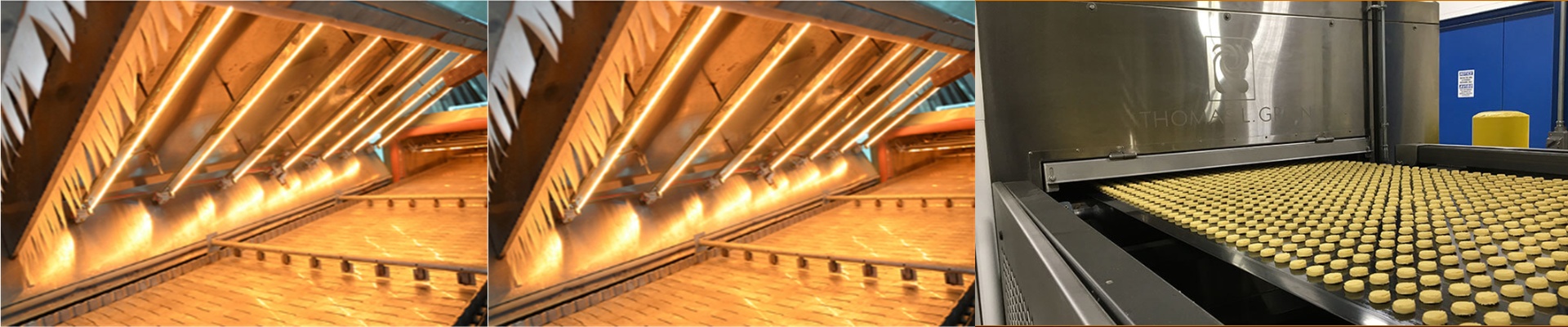
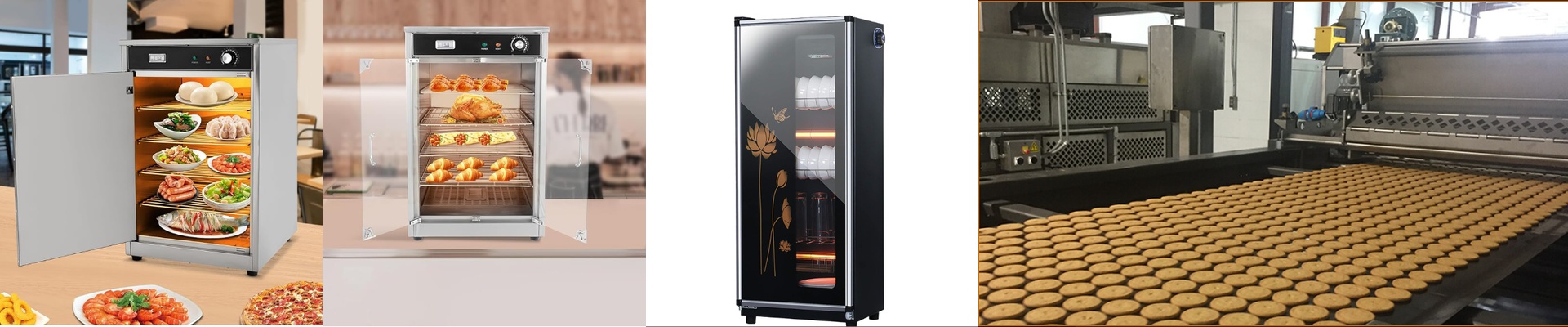
Most traditional ovens are basically giant heaters for air. You spend all this time and energy warming up a massive cavern of space, only for half that heat to leak out the moment you open the door. It’s slow, it’s wasteful, and honestly, it’s a bit outdated. That’s why we’ve moved toward infrared (IR) bulbs in our rotary ovens. Instead of heating the air and hoping it reaches your bread, IR goes straight for the product. It’s direct. It’s fast. And it’s a huge part of making a kitchen actually “green.” The Nitty-Gritty on Heat When we pick these bulbs, it all comes down to the wattage and voltage needed to get the job done. We use high-wattage quartz tubes that pump out short-wave radiation. The result? Your oven hits baking temp in seconds. Because the heat travels directly to the food, you aren’t wasting energy heating up the oven walls or losing it through the vents. It’s a much tighter, smarter way to bake. The Hardware Side of Things These aren’t your average lightbulbs. We use high-purity quartz glass because it can handle extreme temperature swings without cracking. To keep the tungsten filaments from burning out too quickly, we fill the tubes with halogen. We also use R7s or SK15 connectors to make sure everything stays locked in tight while the oven is spinning. But here’s the thing: these bulbs put out an incredible amount of concentrated heat. If your oven isn’t insulated well, the outside of the machine is going to get hot—really hot. You’ve got to make sure your cooling fans are up to the task. If the housing gets too toasted, you risk melting your connectors, and nobody wants to deal with that mid-shift. What This Actually Means for You Switching to IR bulbs just makes sense. You stop wasting electricity on those long pre-heat cycles. For the person running the show, it means you can push more product through the oven and see a lower power bill at the end of the month. Plus, they’re a great swap for those old-school resistive elements that take an eternity to recover their heat after you’ve opened the door. It just works better.