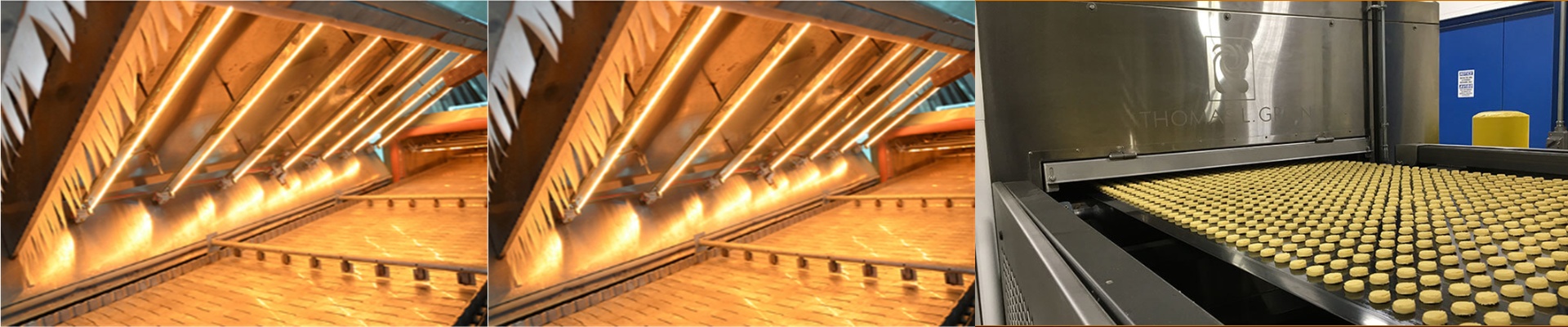
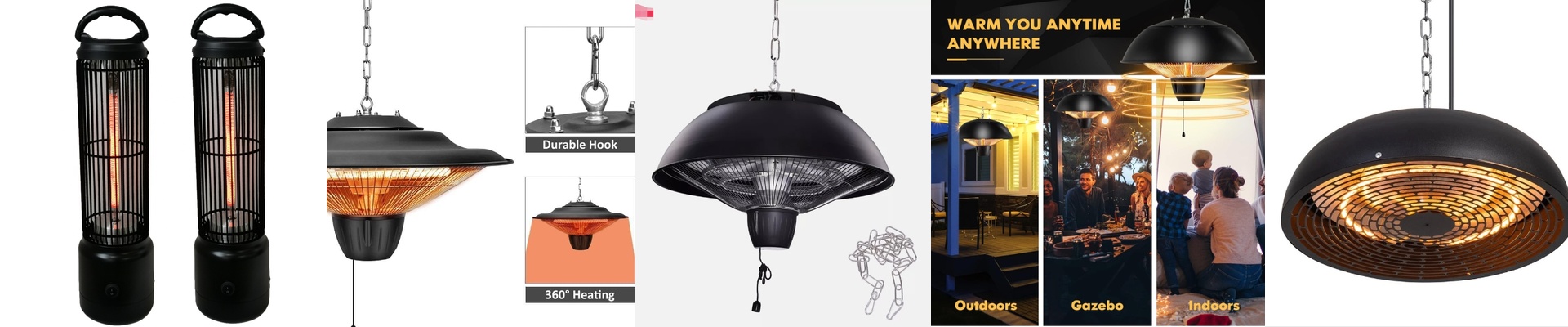
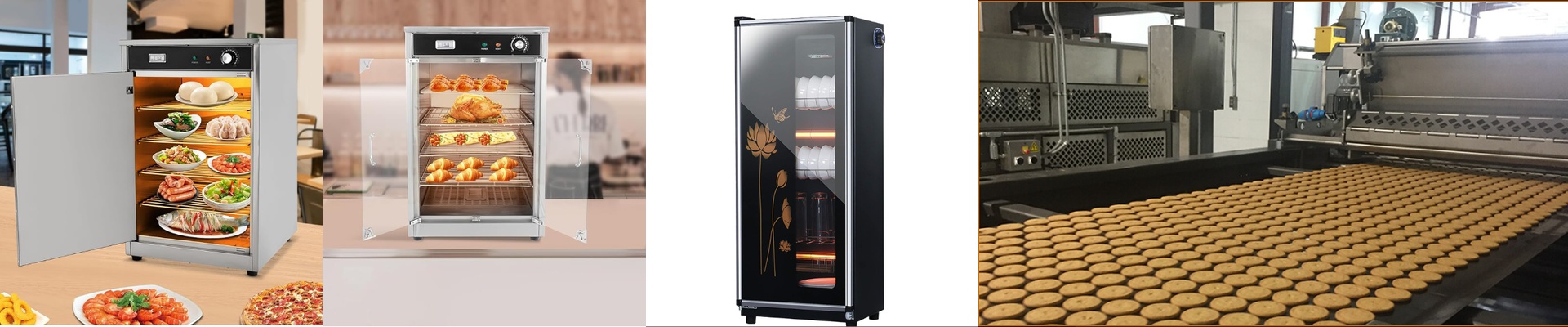
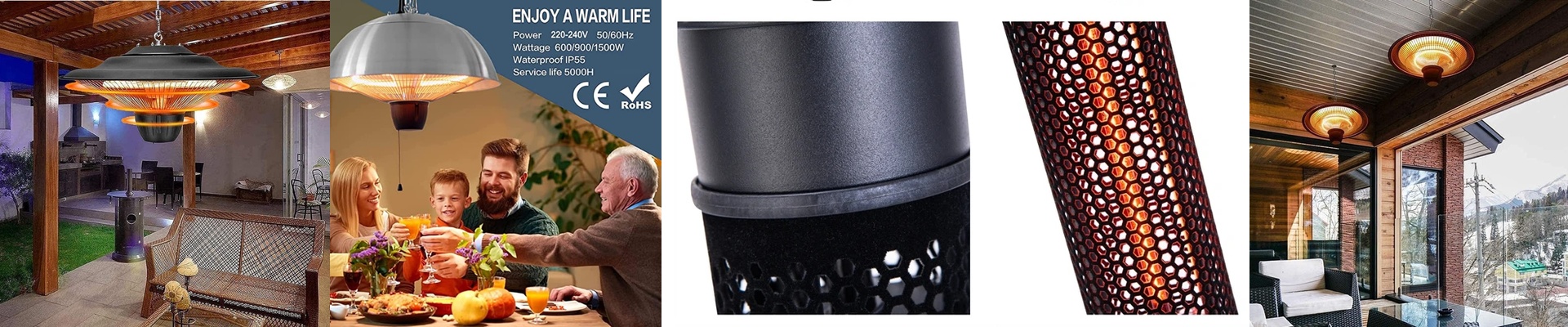
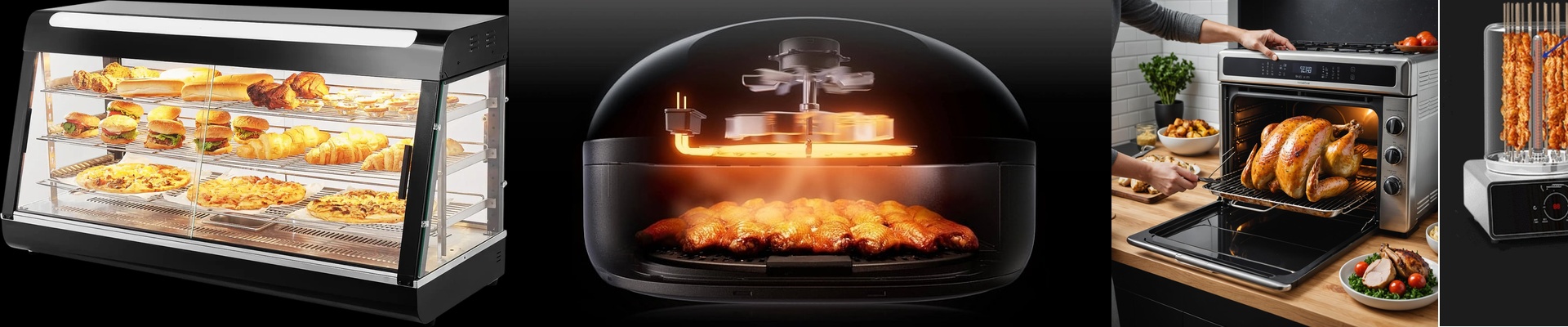
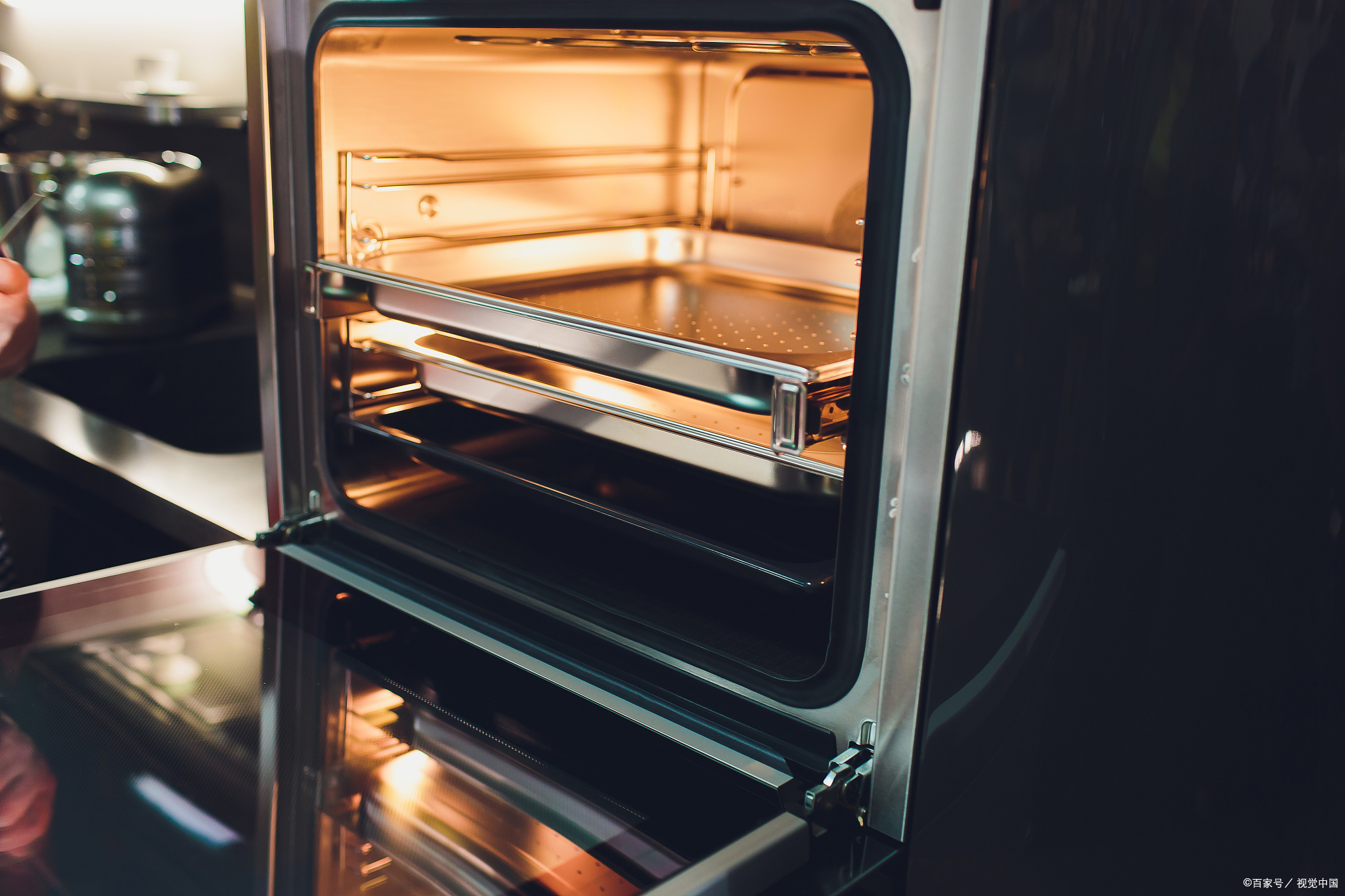
When the tickets pile up and the line won’t quit, your deck oven needs to jump to setpoint and stay there. Slow recovery and uneven heat cost you seconds, and seconds turn into scorched edges, pale centers, and covers you just lost. That’s why the short wave heating tube for deck ovens was built for the real shift, not the brochure. What’s actually happening under the hood Short wave energy throws rapid radiant heat straight onto the stone hearth and into the baking chamber, so the oven snaps back after you load it. In real life, that means faster heat-up from a cold start and tighter temperature stability through long bakes. The tube’s compact footprint fits standard deck oven cavities, and the quartz envelope takes the thermal shock of repeated cycling without cracking. Power is matched to commercial voltages, and the terminal design keeps connections solid even when the heat is hammering. Why this matters on the line In pizza service, that quick recovery keeps leopard spotting consistent and the cheese melted without waiting for the deck to climb back. For bread, the radiant profile supports strong oven spring and clean crust development, while the interior stays even—no gummy bottoms. For food warming and finishing, the heat response is immediate, so plates move fast without drying everything out. Fewer under-baked trays, fewer overdone items, and a steadier pace when the rush hits. Here’s what to watch for Short wave heat is intense, so the tube has to be matched to your deck oven’s size and insulation; undersized cavities can overshoot setpoint. Installation needs proper clearance and a stable mount so the element can’t contact the stone or oven walls. Verify voltage and connector compatibility with your oven’s terminal block before you order. When it’s done right, the element delivers dependable cycles and the kind of repeatability a busy kitchen counts on.