Why a Single Degree Matters in Your Oven
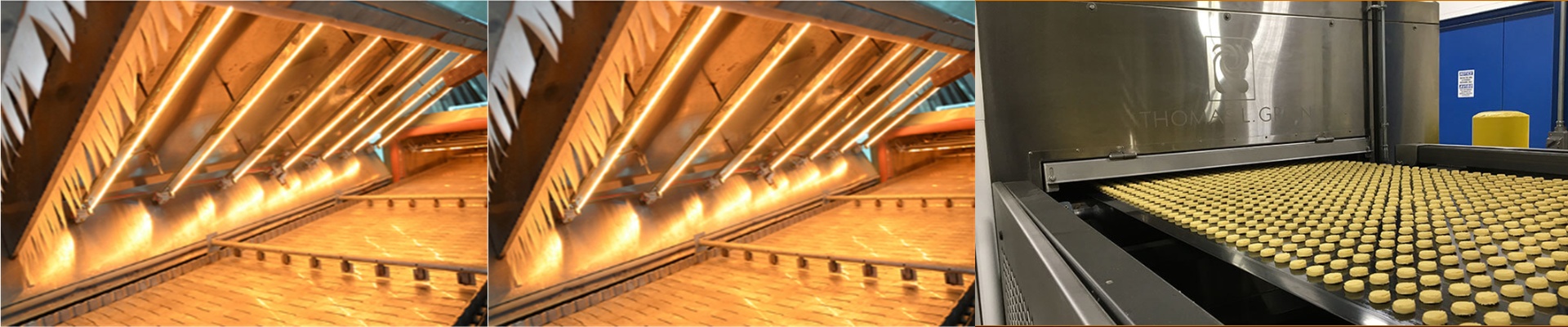
If you’ve ever spent years perfecting a loaf of bread, you know the frustration. You’re one degree off, and suddenly your crust is the wrong shade of gold or the inside isn’t quite right. It’s a tiny margin, but it’s the difference between a masterpiece and “just okay.” That’s why we use clear quartz heating elements. They don’t mess around. The secret is in the speed. Most old-school metal heaters rely on convection—they heat the air, and the air eventually heats the bread. That creates a “thermal lag.” By the time your thermostat tells the oven to stop, the metal is still glowing hot, and your bread keeps cooking. That’s how you end up with burnt edges. Quartz is different. It sends out infrared radiation that hits the dough directly. The second the power cuts, the heat stops. It’s almost instant. You get total control over that browning process, which means no more guessing games. Built for the heat (and the hustle) We make these out of high-purity fused silica. In plain English? They can handle wild temperature swings without cracking. They’re also compact, so you can fit a lot of power into a tight restaurant oven without crowding the space. We specifically chose clear glass over the coated stuff. Coated tubes bounce heat backward; clear quartz pushes it straight forward into your product. It gets your oven up to temp faster. But here’s a heads-up:keep them clean. If grease or oil splatters onto the quartz, it creates hot spots. Over time, those spots will burn out the tube. A quick wipe-down keeps them running for a long time. Getting them installed Swapping these in is pretty easy. They’re designed as drop-in replacements for most standard oven arrays. We also use heavy-duty terminals so you don’t have to worry about the connections oxidizing and failing on you. Just one thing: double-check your voltage. Make sure it matches your control board exactly. If you push too much voltage through a quartz element, the filament spikes, and you’ll kill the lifespan of the heater. Keep the voltage right, keep the glass clean, and your crusts will look perfect every single time.