Stop Fighting Your Oven’s Hot Spots
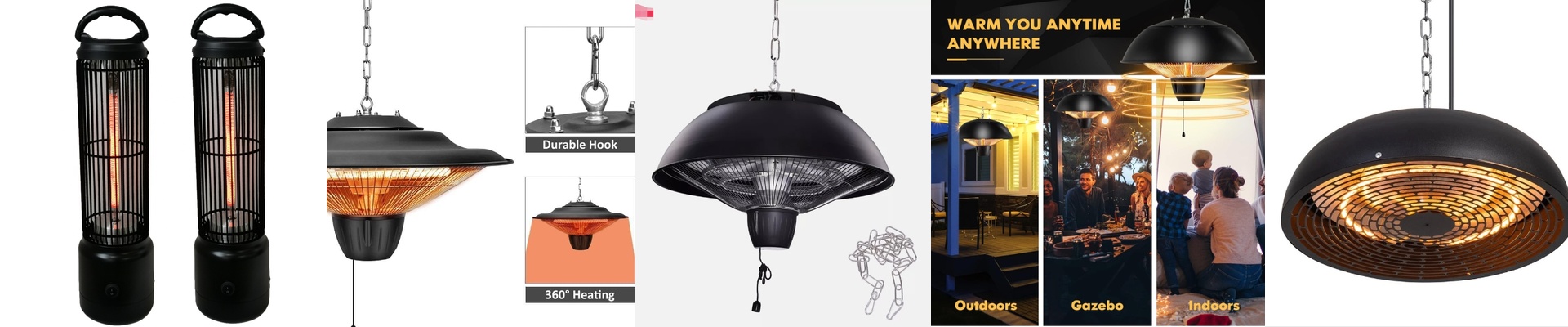
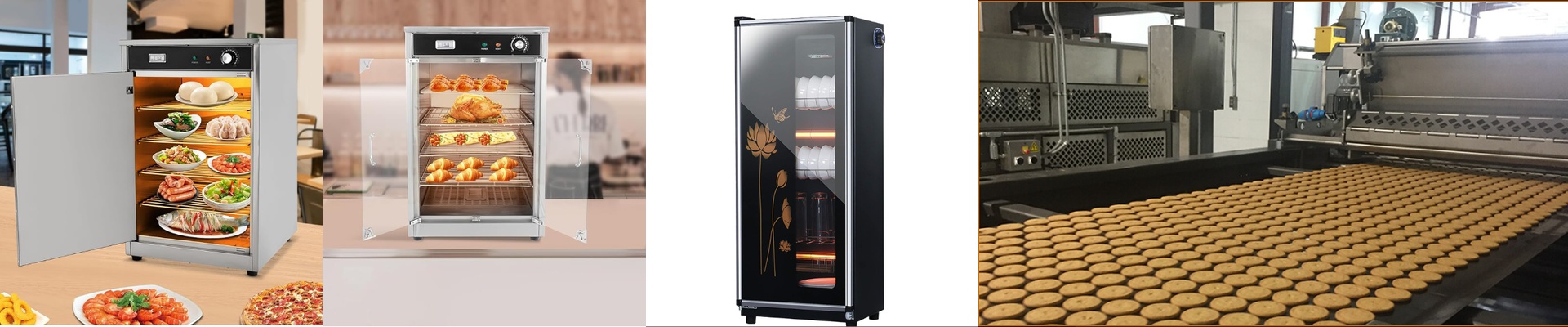
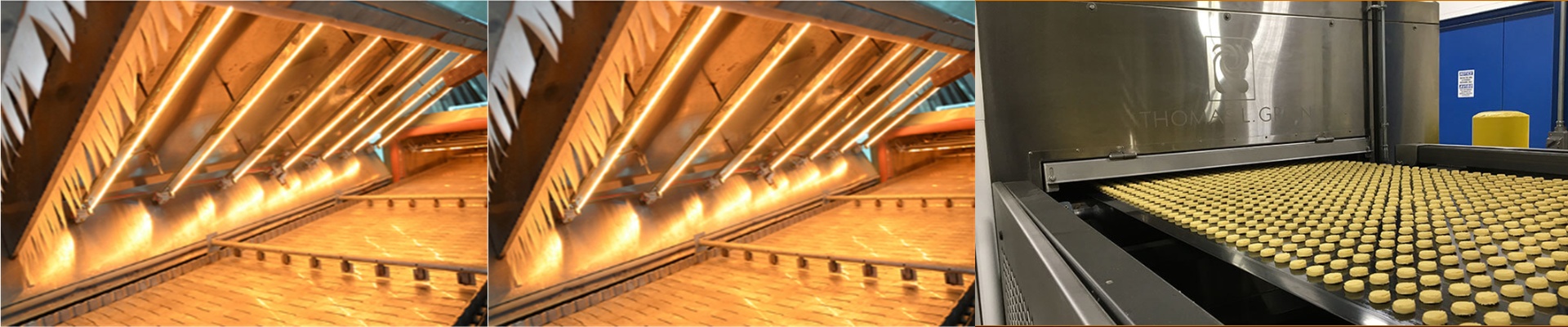
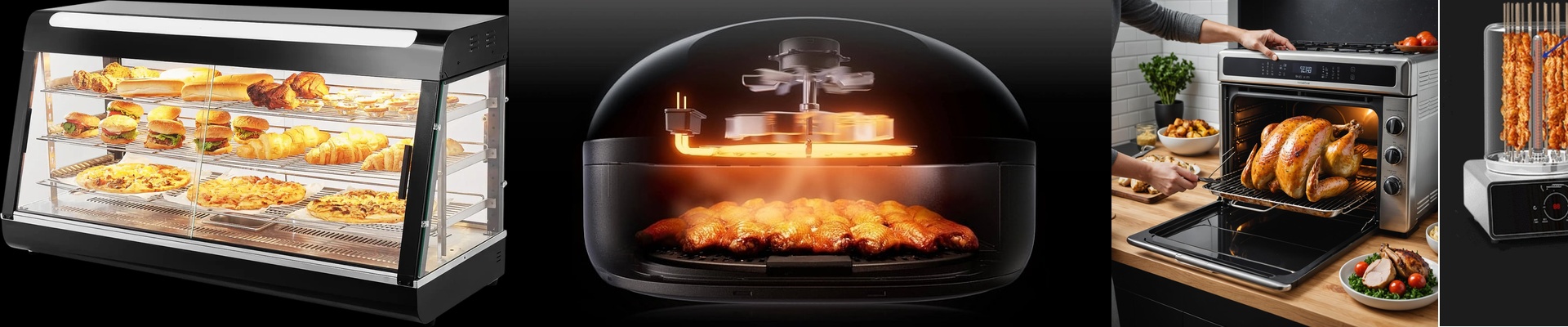
If you’ve ever used a multi-layer convection oven, you know the headache. Hot air rises. It’s just physics. You end up with “dead zones” where the air doesn’t move, and suddenly your top rack is scorched while the bottom rack is barely warm. It’s frustrating, and it ruins your consistency. We found a better way to handle this: putting independent infrared (IR) heating tubes in every single layer. Getting the heat exactly where it needs to be Instead of just tossing in a giant fan and hoping the air pushes the heat around, we use IR lamps. They give you direct, radiant heat. The real magic is that each layer has its own PID controller. So, if you notice the bottom rack is lagging behind by 10°C, you don’t have to crank up the whole oven and fry the top layer. You just bump up the wattage on those specific lower elements. It’s a much more surgical way to manage your temperature. Why IR actually works We use quartz-halogen tech for these. Unlike those old-school resistive coils, IR lamps send out short-wave radiation. This doesn’t just sit on the surface; it actually penetrates the material, pushing moisture out from the core. It’s fast. Really fast. One quick tip: watch your voltage drops. If you’re wiring a long string of lamps, the power can dip by the time it hits the end of the line. That means the end of your rack won’t be as hot as the start. To avoid that, just use dedicated circuits for your high-load setups. The practical side of things We made these tubes easy to swap. Most of them use standard R7s or Sk15 connectors. When a tube eventually burns out—and they will—you can just pop a new one in without having to tear apart your entire wiring harness. But a word of caution: these things are fragile. It’s quartz glass, not armor. If something heavy hits them or debris piles up, they’ll crack. Make sure your rack guards are solid so your product never actually touches the glass. Trust me, you don’t want to be replacing tubes every week because of a clumsy mistake.