Why Frosted Quartz is the Secret to a Perfect Pizza Crust
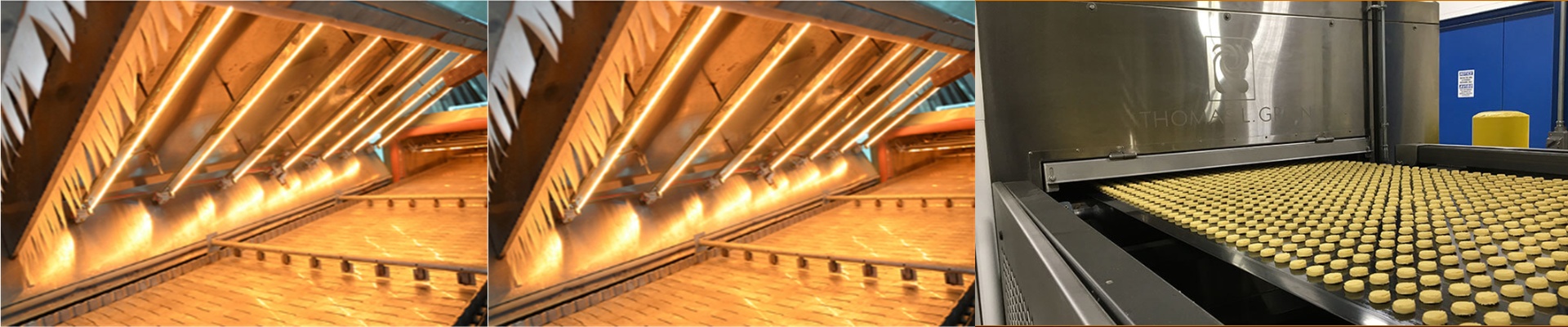
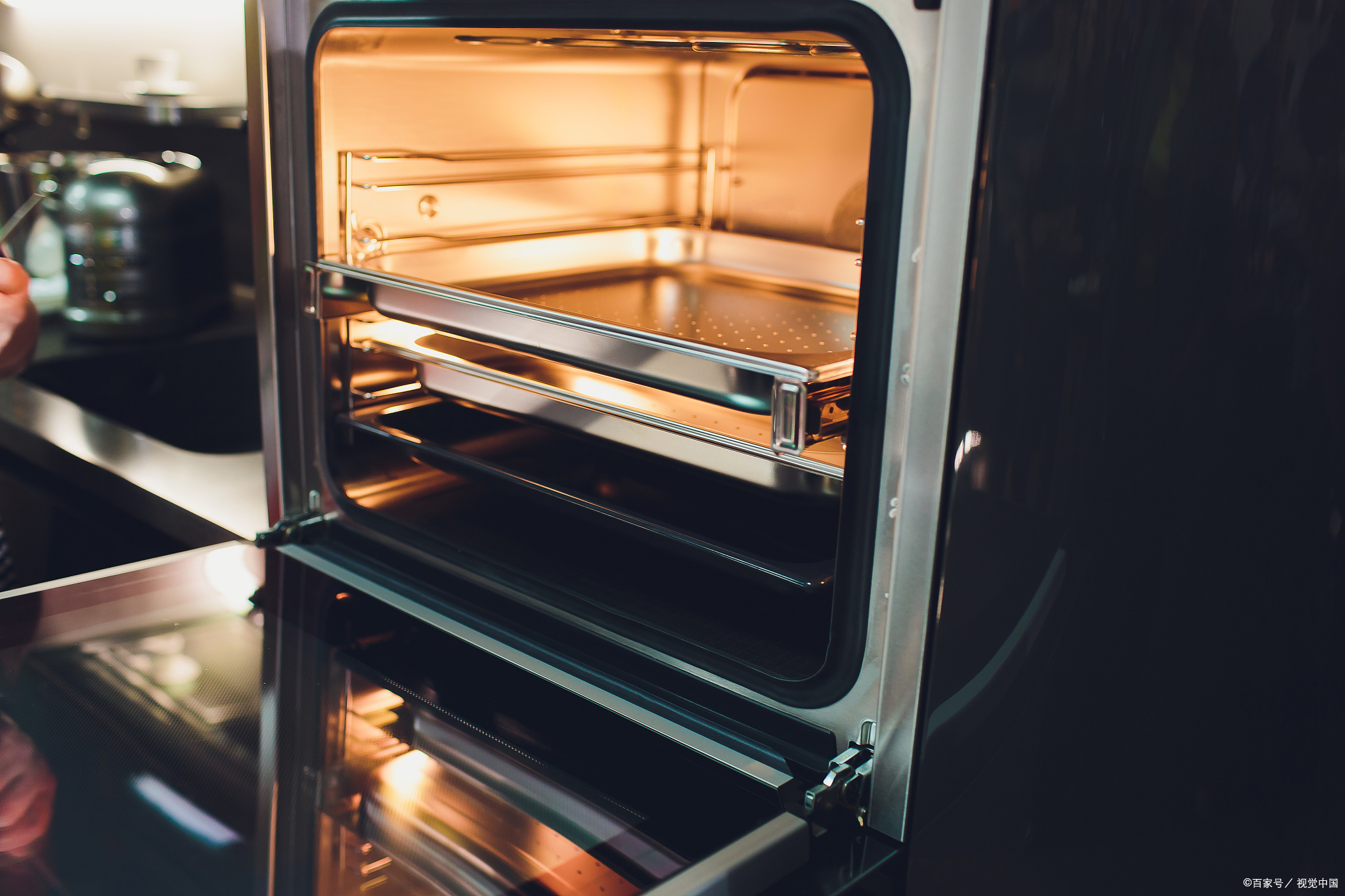
If you’re running a high-volume pizza oven, you know the struggle. Your heating elements are basically sprinting—switching on and off constantly to keep the temperature exactly where it needs to be. If there’s a lag, you’re in trouble. That’s why we lean on frosted quartz tubes. Standard clear quartz is fine, but it tends to shoot heat in straight lines. You end up with these annoying hot spots that char one side of the dough while the other is still pale. Frosted quartz fixes that. It scatters the infrared heat, wrapping the pizza in a warm blanket instead of hitting it with a laser. The magic of the “second-level response” Here’s the thing: we wanted these tubes to react instantly. To make that happen, we kept the quartz walls thin and tweaked the filament to lower the thermal inertia. In plain English? When the relay clicks on, the heat hits almost immediately. And when you cut the power, it drops just as fast. It’s a huge relief during those final few seconds of a bake. You don’t have to worry about the crust crossing the line from “perfectly browned” to “burnt” just because the element took too long to cool down. A quick heads-up on the trade-off Nothing is perfect. Because those frosted tubes scatter the light, they can hold onto a bit more heat within the tube wall itself. If your oven cabinet isn’t vented well, you’ll notice the air inside the housing getting a bit toastier than usual. Just make sure your airflow is dialed in, and you’re golden. Built to take a beating Rapidly switching power on and off is usually a death sentence for heating elements. The constant expanding and contracting—thermal shock, if you want to be fancy—usually snaps the seals where the filament meets the end-caps. That’s where the cheap stuff fails. We reinforced those joints. We wanted these tubes to be hammered by high-frequency timers without leaking or cracking. One last tip: if you’re wiring these into a PID controller, double-check your contactors. Make sure they can handle the inductive load. If they start pitting, you’ll get voltage drops, and that snappy response time we talked about? It’ll vanish.