Why Shortwave Infrared is the Secret to Better Bread
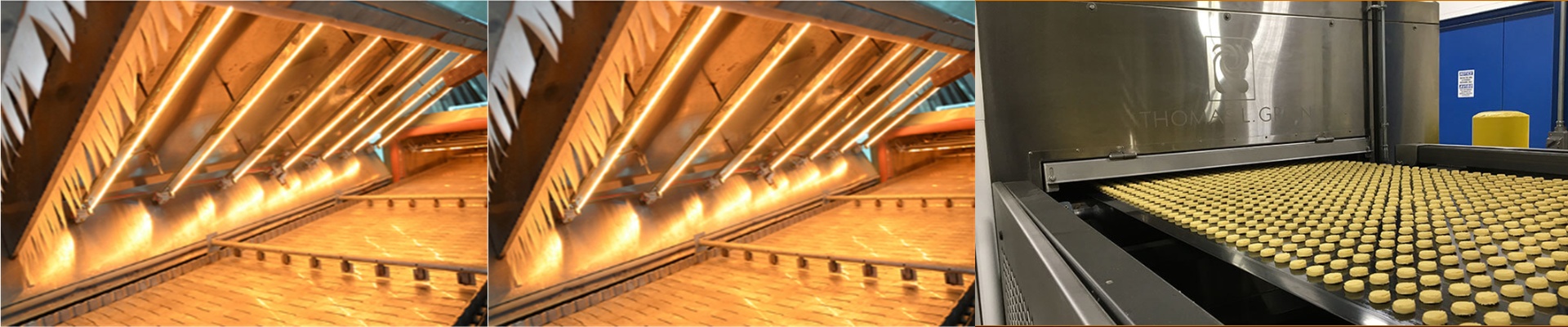
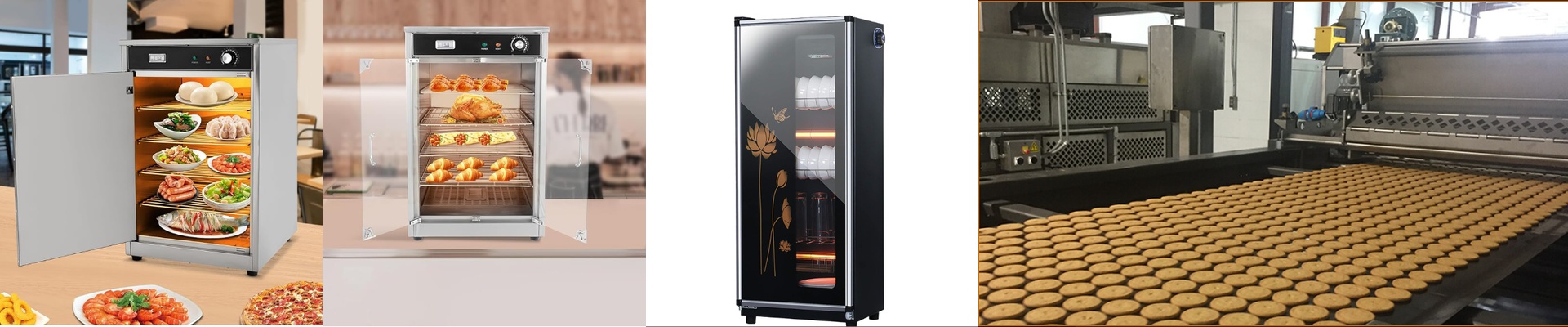
Ever wonder why some bread has that perfect, crackly crust but stays fluffy and soft on the inside? It all comes down to how you get the heat into the dough. In our portable ovens, we skip the slow process of heating up the air. Instead, we use shortwave infrared (SWIR) lamps.
How it actually works
Think of it this way: standard heaters just warm up the air around the bread. Infrared is different. It sends out waves that go straight for the water and fat molecules inside your loaf, making them vibrate. Because these waves are high-frequency, they punch through the surface fast. This sears the outside almost instantly, which locks all that precious moisture inside while the middle catches up. It’s the best of both worlds.
The gear under the hood
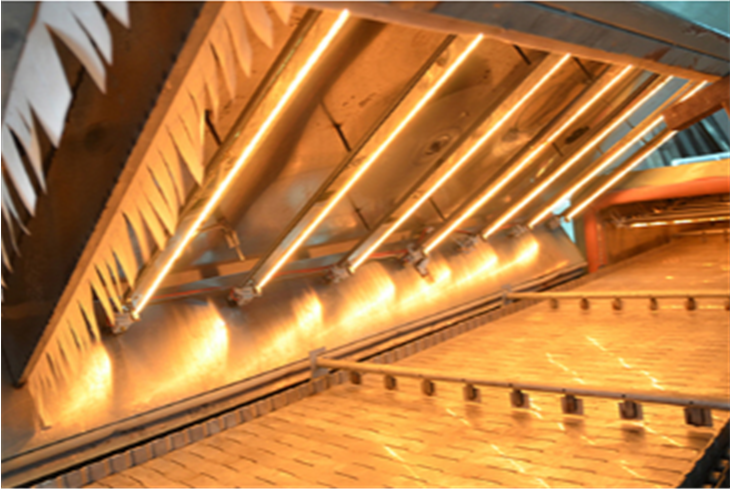
If you’re looking at replacement lamps, you’ll mostly see quartz-halogen tubes. We use quartz because it can take a massive hit of heat without cracking. Then there’s the halogen cycle—that’s just a fancy way of saying the tungsten filament doesn’t evaporate as quickly, so your bulb lasts way longer. **One quick tip:**Be obsessive about your voltage and wattage. If you get it wrong, you’re either going to end up with raw dough or a blown circuit breaker. Most of these portable units use R7s or SK15 connectors. They’re spring-loaded, which means they snap in tight. That’s important because a loose connection can cause electrical arcing, and nobody wants sparks in their kitchen.
The tricky part
High-wattage lamps pack a punch. They pre-heat in a flash and brown your crust beautifully. But there’s a catch. If the lamp is too close to the bread, you’ll char the outside into carbon before the center is even warm. You have to find that “sweet spot” for the distance to get the penetration just right. And here is something most people forget:clean your reflectors. Every few months, wipe down those mirror surfaces. Grease builds up over time, and it can kill your heating efficiency by 20%. A quick clean makes a huge difference.