Getting the Crust Right: The Secret to AI Bread Ovens
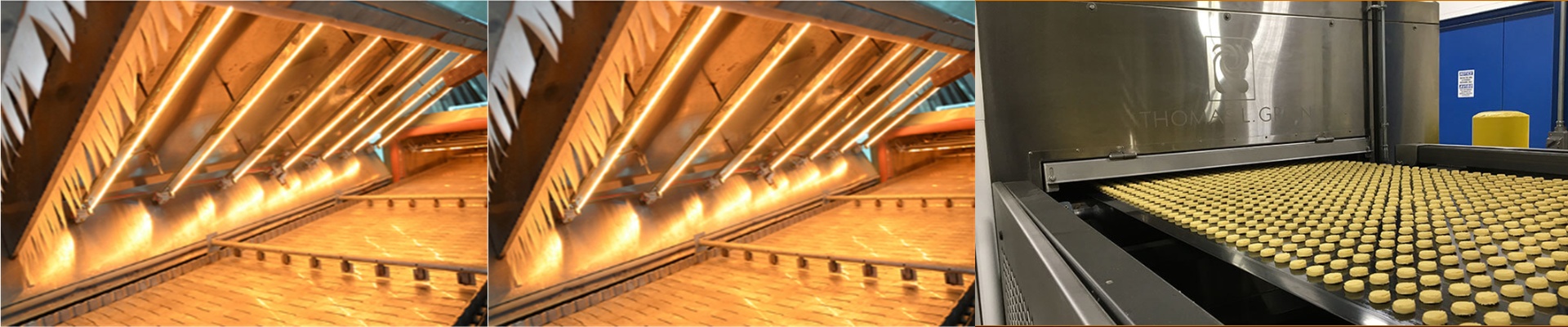
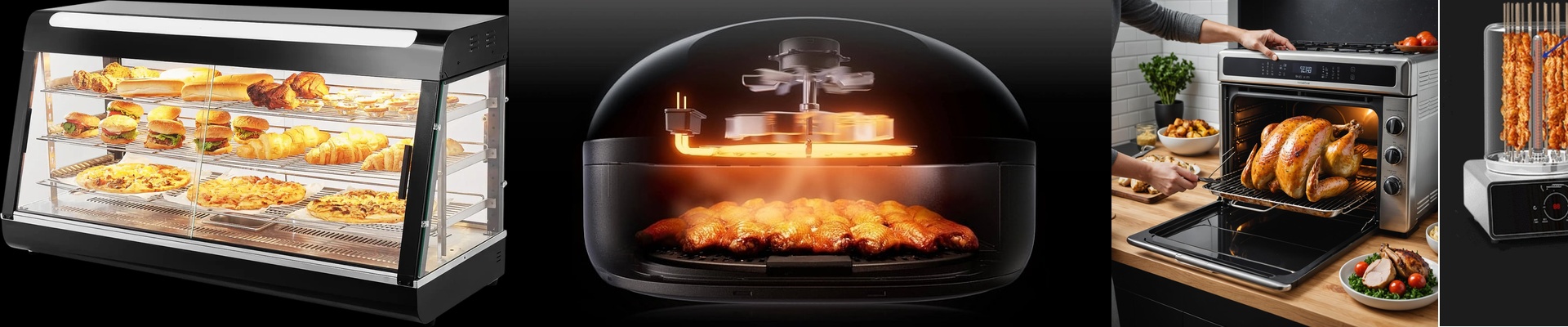
If you’re building a smart kitchen, you know that just “adding heat” isn’t enough. You need precision. The real struggle with bread is the timing. If you use standard convection, it’s too slow. If you use short-wave lamps, you end up with a burnt crust and a raw center. That’s where Medium Wave Infrared (MWIR) comes in. It hits that sweet spot, soaking deep into the dough so the middle actually cooks before the outside turns into charcoal. Why Medium Wave? Here is the thing: MWIR works because it vibrates at the same frequency as water and fats. It doesn’t just sit on the surface. Instead of creating those annoying “hot spots” or scorched patches, the heat spreads out. You get that perfect, consistent golden-brown look every single time. Building it to fit We don’t do one-size-fits-all. Whether you need a 200mm or a 500mm tube, we build it to your exact footprint. But you have to be careful with the math. If the wattage and voltage aren’t balanced, you’ll burn out your filaments way too fast. To keep things under control, we use PWM or SCR controllers. This lets your AI system dial the power up or down in real-time based on what the sensors are seeing. We usually go with quartz envelopes because they can take a beating from the heat. And if your oven gets greasy? We can add a specialized coating to the glass. Just a heads-up: those coatings can eat into your radiant output by about 5-10%. Make sure you account for that dip when you’re setting up your control loops. A quick warning on the hardware High-wattage lamps get incredibly hot—especially at the terminals. If you cram these emitters too close together in a tight chassis, you’re going to melt your wiring insulation. It’s a mess you don’t want to clean up. Just make sure your airflow and heat sinks are beefy enough to handle the total load of the array.