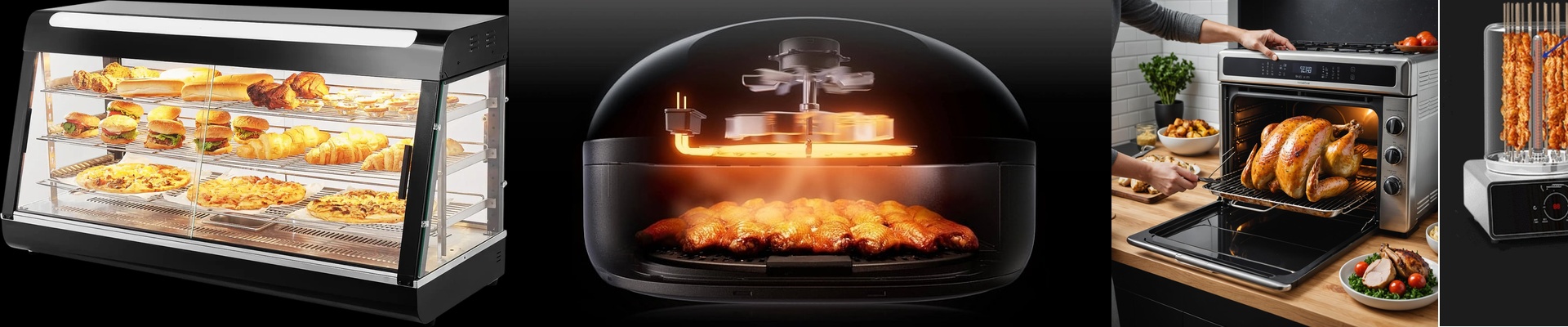
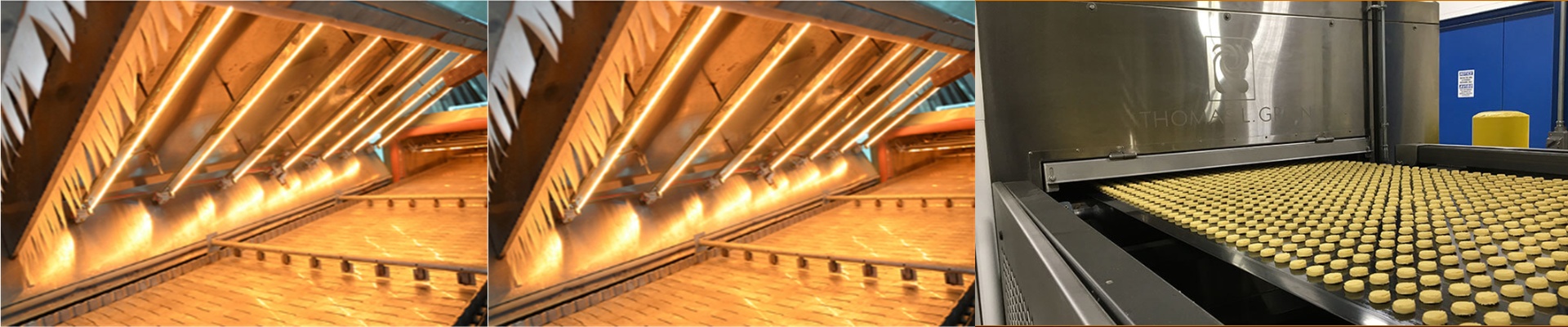
In a busy bakeshop, the clock starts the second the oven door shuts. If the deck is taking too long to come up to temp, or the heat’s uneven, your bake times creep, the crust misses its sweet spot, and ticket flow grinds to a halt. We built our tableware dryer IR emitter for baking to tackle those exact headaches inside commercial ovens—deck, rotary, and convection. What matters under the hood Our IR emitter leans on short-wave quartz elements to throw focused radiant heat. In real life, that means the stone hearth or baking chamber hits setpoint faster, and recovery after loading stays solid. We tune output so surface browning stays consistent—crust sets clean without scorching. The footprint is compact, with standard mounting, so it drops into existing cavities without a major fabrication job. The emitters run on proven electrical parameters and are built for steady cycling, smoothing out temperature swings through the radiant profile instead of chasing them with a lagging thermostat. Why it plays in this environment You get a shorter preheat window, so the first bake of the morning starts when it should. Heat across the deck levels out, cutting hot spots and cold zones—no more pale edges and overdone centers. Faster recovery between loads keeps your flow steady, even when service hits its peak. The payoff is predictable product, fewer re-bakes, and a calmer line. Energy use per cycle typically drops because the oven spends less time idling and more time doing the work. The practical details IR emitters are potent, and they need clear line-of-sight to the product and the right positioning relative to the stone or pan. They pair best with ovens that have reflective interiors and enough ventilation to handle moisture. Installation is straightforward, but before you order, confirm clearances, mounting points, and electrical compatibility with your specific oven model.