Why Your Pizza Crust Is Either Burnt or Dry (And How We Fixed It)
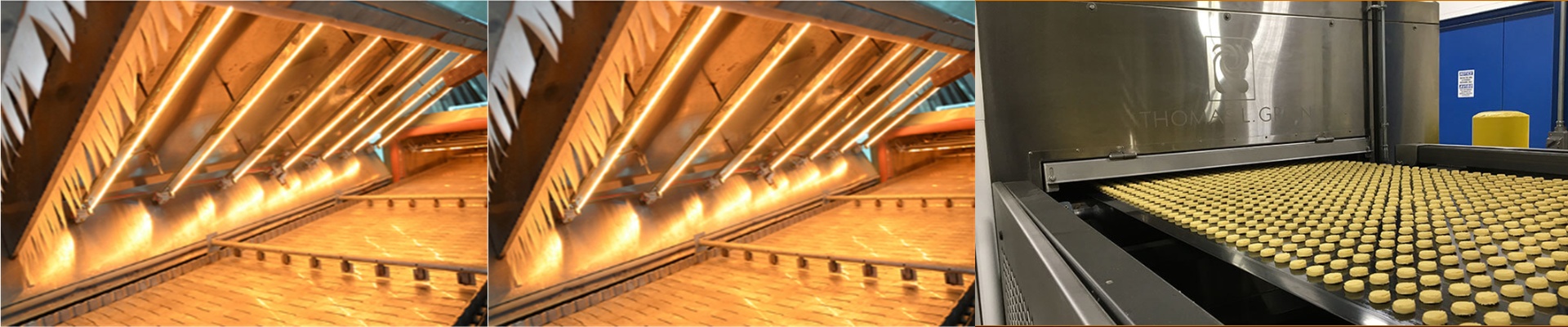
Ever had a pizza where the top is charred black but the crust feels like a cracker? That’s usually what happens when you rely on convection. Hot air is a thief—it steals the moisture right out of your dough before the center even has a chance to cook. We decided to stop fighting the air and started using stainless steel infrared (IR) emitters instead. Here’s the difference: instead of heating up the air around the pizza, IR energy jumps straight onto the food.
Getting the Heat Just Right
The real trick is all in the wavelength. Short-wave IR digs deep into the dough, while medium-wave stays on the surface. By picking the right materials and coatings, we can basically “tune” how the heat hits the pizza. We calibrate these lamps to a very specific wattage per centimeter. Why? Because you want that surface to sear fast—giving you that perfect, crisp crust—without drying out the inside. You get the crunch, but the crumb stays airy and hydrated.
Built for the Chaos of a Kitchen
Commercial kitchens are brutal. They’re greasy, hot, and loud. That’s why we house everything in high-grade stainless steel. It takes a beating and keeps on ticking. And the best part? No more waiting around. You know that annoying twenty-minute “soak” time where you’re just staring at the oven waiting for it to get hot? Forget that. You flip a switch, the filament hits temperature in seconds, and you’re cooking.
The “Gotchas” (Read This Before Installing)
Now, a word of warning. These emitters pack a massive punch of heat. You can’t just toss them into any old box. If your ventilation is weak, that heat is going to bleed back into your control board and fry your relays. Simple as that. Make sure your cooling fans are beefy enough to handle the output. Also, please, for the love of everything, use high-temp silicone leads. Standard PVC will melt the second you hit 300°C. If you’re swapping an old one out, double-check your voltage and length. Even a tiny 5% difference in length can mess with the heat distribution. That’s how you end up with those annoying cold spots on your pie.