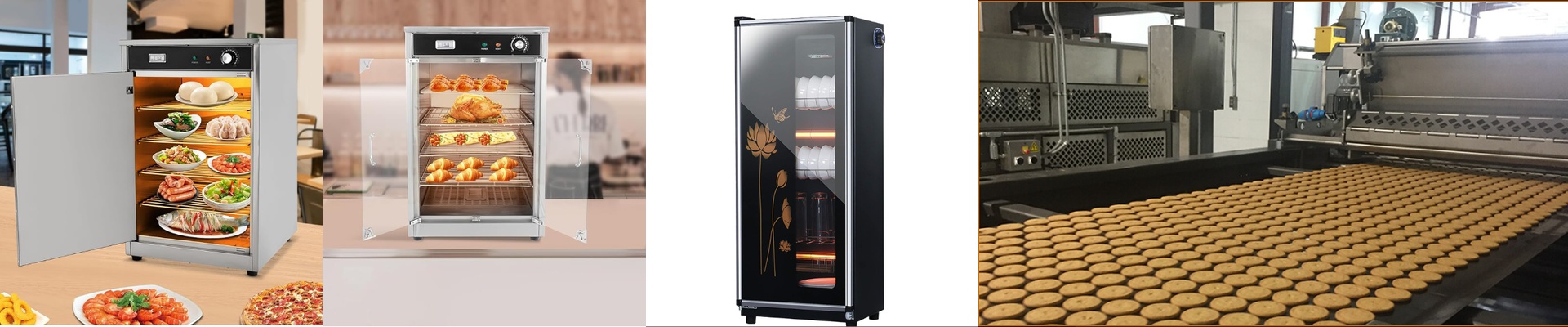
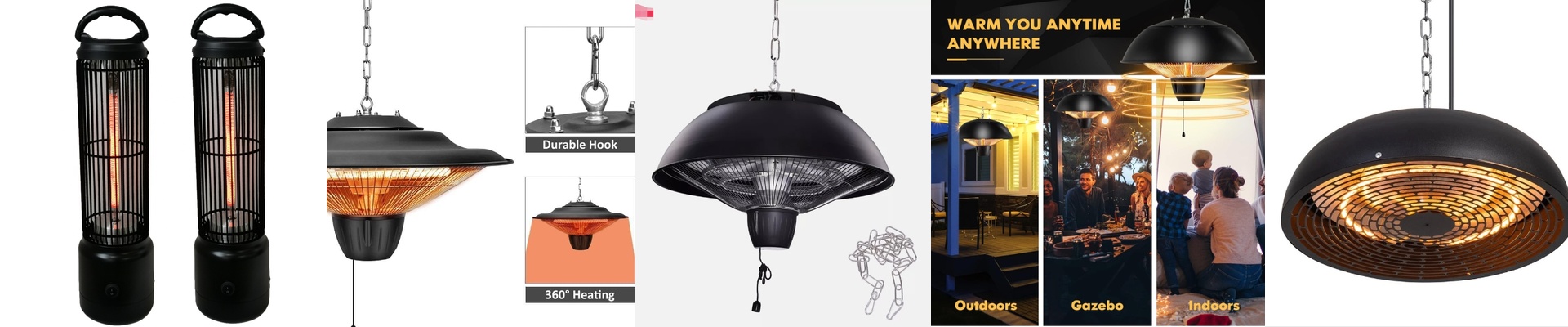
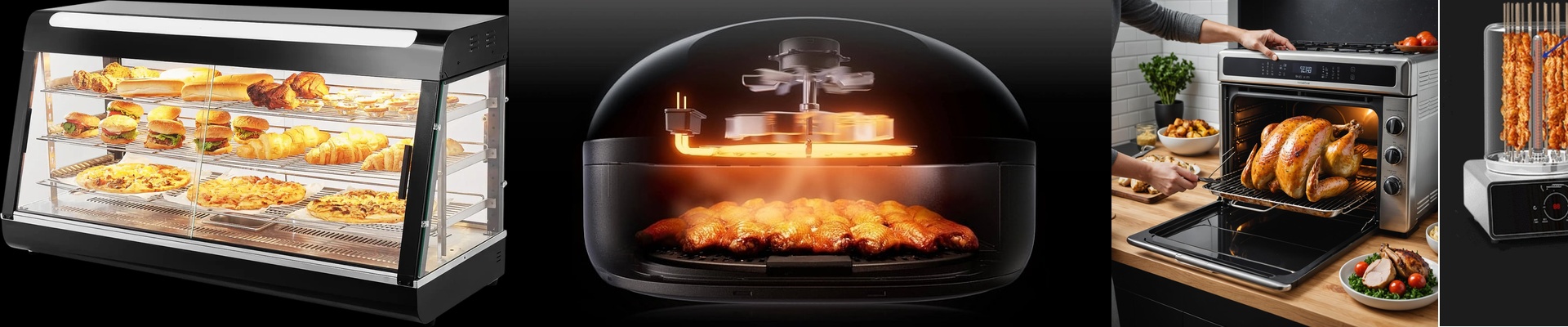
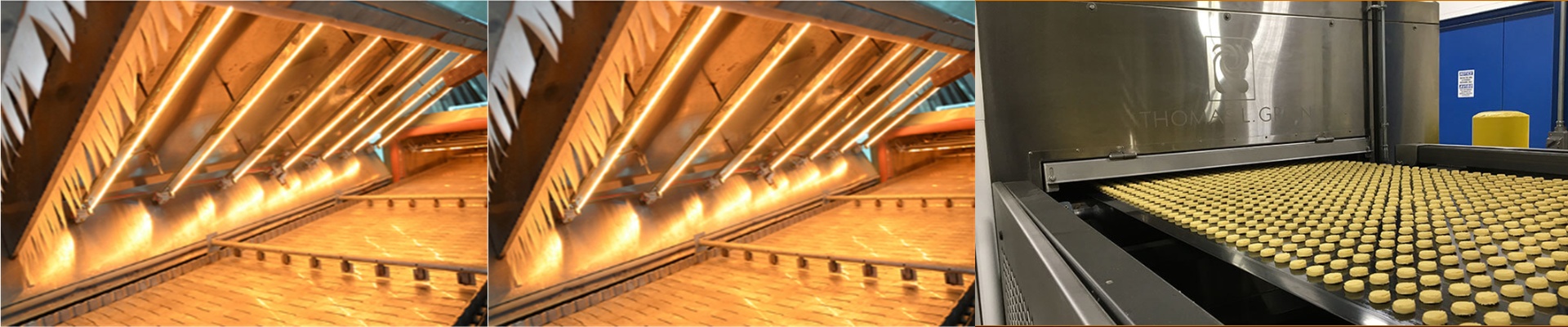
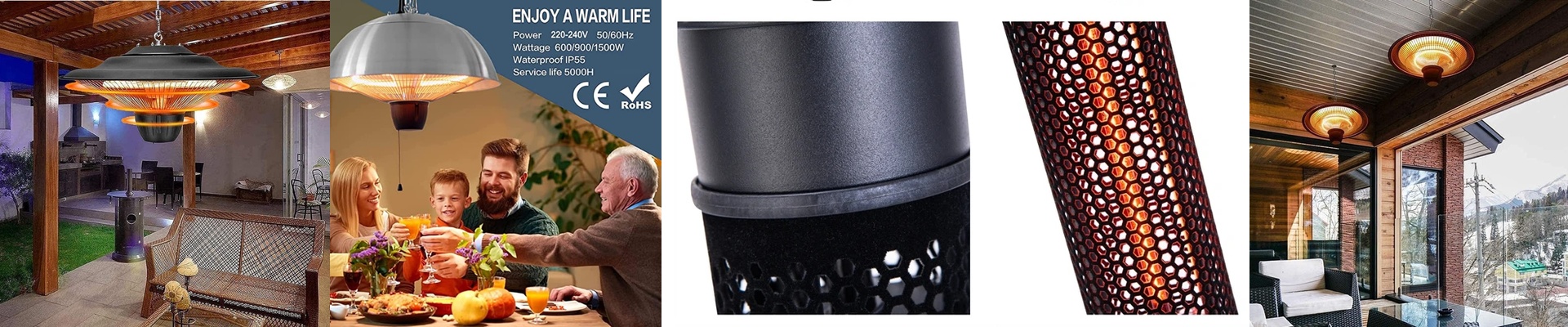
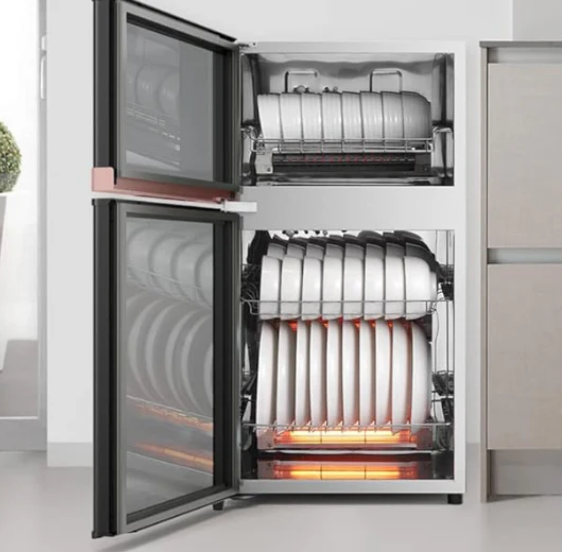
Once service kicks off, the deck oven’s stone hearth has to hold steady heat, and the holding surface needs to keep pizza and bread at temp without drying things out. If the heat isn’t even, you get scorched edges before the center even sets. The color turns patchy, and the crust fights you instead of breaking clean. What matters under the hood We spec quartz tube heating elements because they come up to temperature fast and deliver consistent infrared output. In a busy kitchen oven or warming setup, that means quick recovery after the door opens and predictable heat across the baking chamber. The black ceramic holding surface is there to absorb and re-radiate that energy, so the bottom crust sets while the top stays open. On the plate, you get even, golden color and a texture that stays crisp longer. Why this pairing holds up on a real line This is built around the way service actually moves. Quartz heat brings the deck back to temp fast, so you can keep trays moving without waiting around. The ceramic top holds a steady profile, so held food doesn’t go leathery. You get the result you’re after—crisp outside, tender inside—even when the rush won’t stop. Energy use drops, too, because the system heats only when needed and holds the set point without big swings. The details you can’t skip Quartz tubes don’t like thermal shock. Keep power changes gradual, and don’t hit a hot element with cold water. Mounting and clearance have to follow the oven’s service manual exactly. Match voltage and terminal rating without guessing, and make sure the counter surface is rated for sustained infrared exposure. Treat the whole setup as a matched system, not a drop-in swap.