On an aseptic line, the heating tunnel is one of those pieces that gets taken for granted—until it starts drifting. Preform temperature variance shows up fast as uneven wall thickness, then as scrap and micro-leakers. When the original Krones heating tube is long past its prime, you don’t need a pitch. You need heat that repeats, cycles that stay stable, and uptime you can count on.
What matters, technically
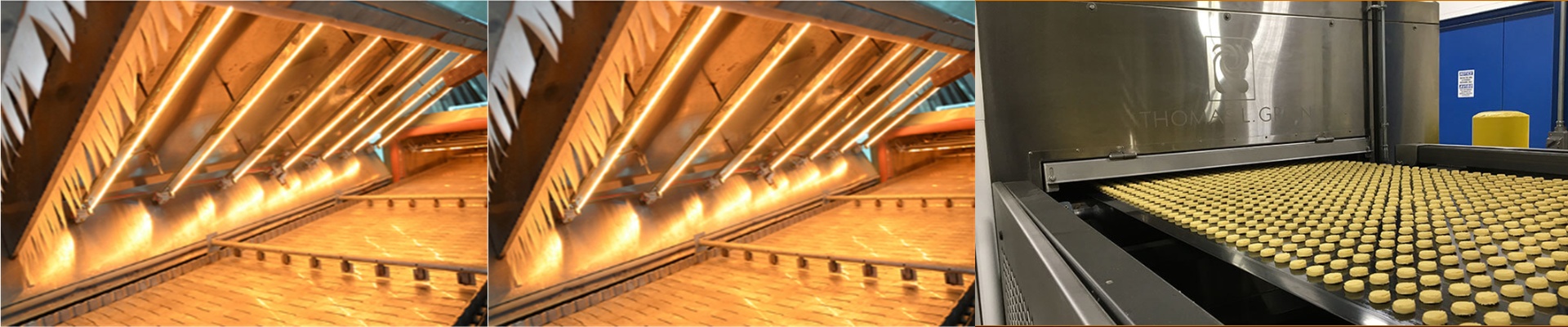
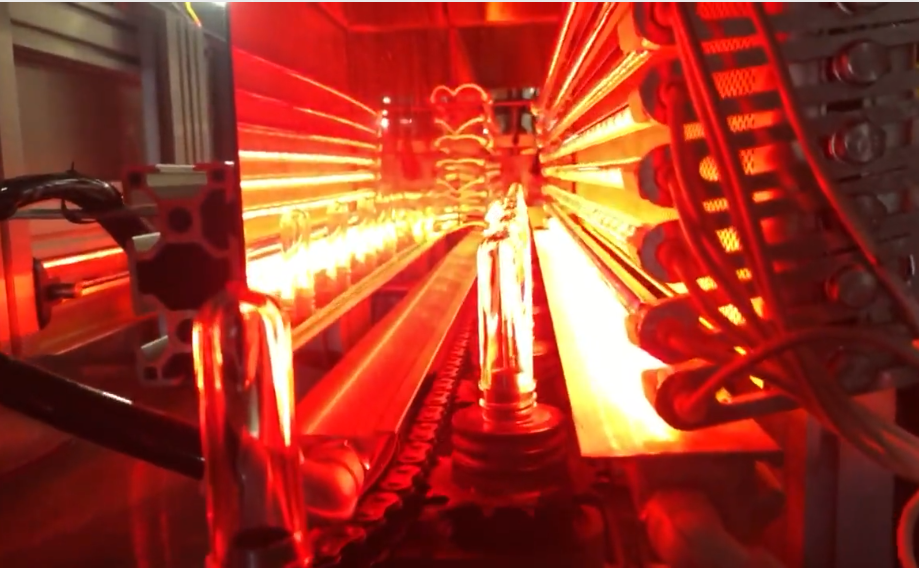
We build the Krones PET aseptic blower heating tube as a matched infrared emitter for stretch blow molding preform heating. Inside is a high-purity quartz envelope with a halogen filament, tuned for fast response and tight temperature control inside the heating tunnel. Rated 400–600 W, 230 V, with an R7s base and the exact geometry Krones machines expect, so the lamp seats cleanly and lines up with the reflectors. Output is centered in the near-infrared band, heating preforms efficiently without scorching the surface—supporting a consistent melt line.
Why it fits aseptic PET
Aseptic PET lines run high-value packs with tight tolerances. This tube is engineered to match the Krones OEM heating-zone parameters, so preform heating stays repeatable across the neck and body. In practice, that means fewer temperature-related rejects, more stable bottle geometry, and less time chasing the heating profile after a lamp change. The fast ramp-up also helps you get back to cycle speed quickly after warm-up, keeping throughput closer to target.
The practical details
Installation is straightforward, but thermal behavior is sensitive. Make sure the lamp is fully seated in the R7s socket and that the reflectors are clean—misalignment will show up as hot and cold bands. Match the lamp to the specified voltage; undervoltage cuts output, and overvoltage shortens filament life. Plan replacements around lamp hours and keep spares on hand so you don’t get stuck recalibrating the heat zone for hours.