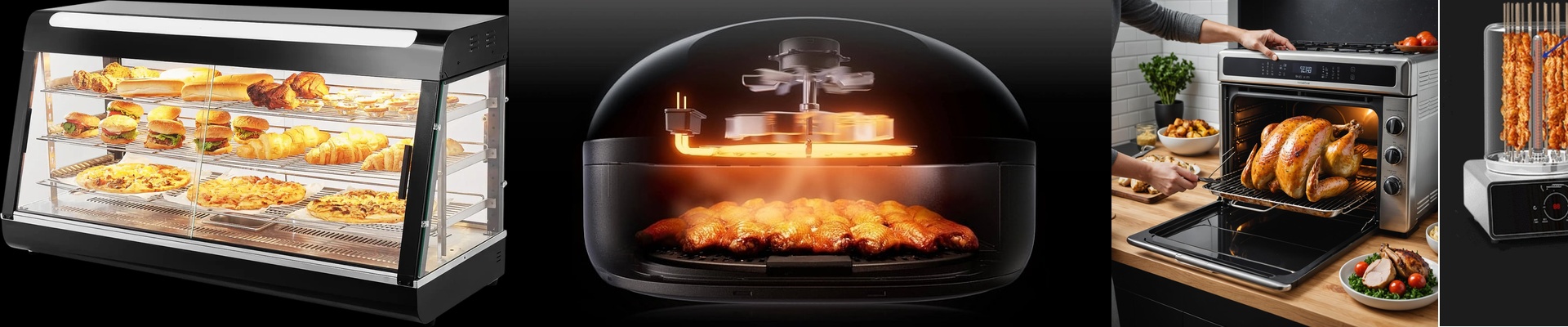
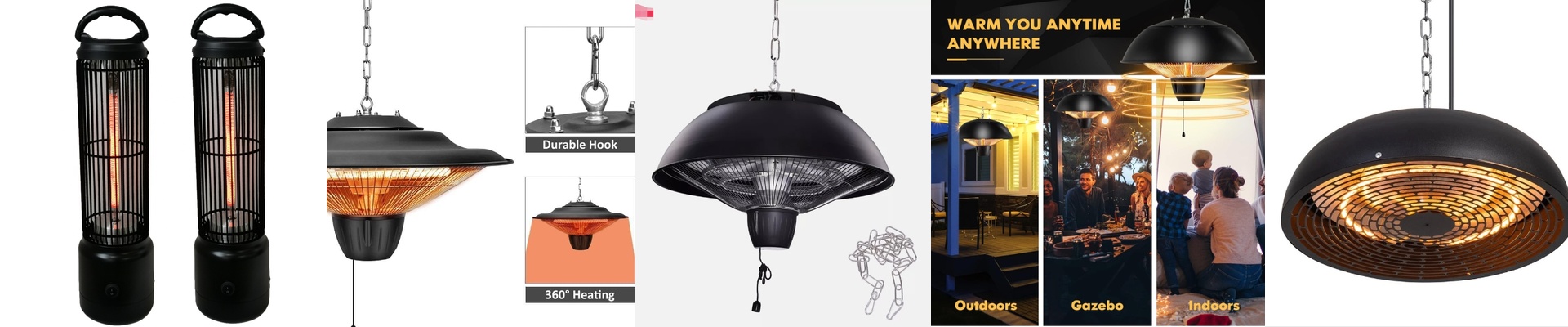
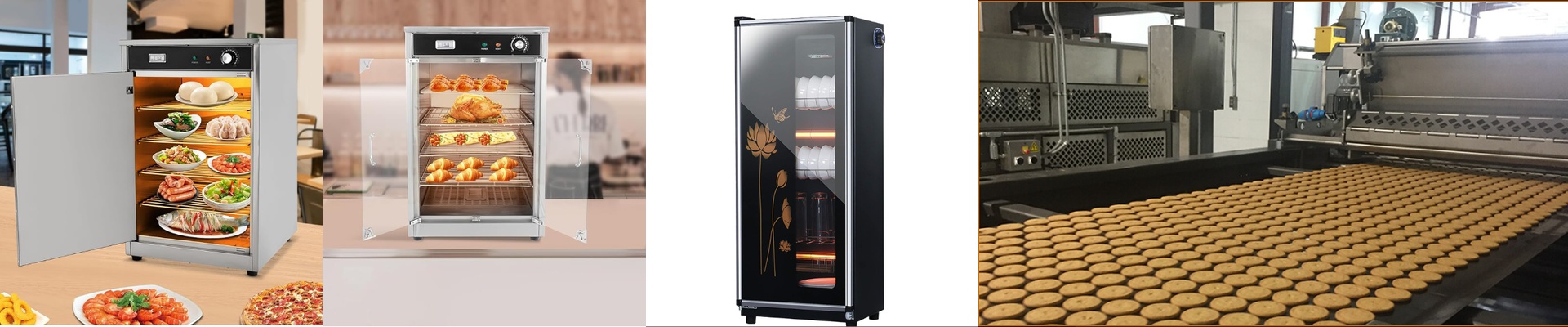
In a busy pizza shop or bakery, the real test is the rush between bakes. When the orders pile up, holding food above 60°C without drying it out isn’t a nice-to-have—it’s the difference between a regular and a return. The heating tube inside your heat-holding cabinet has to pull double duty: keep holding temps for food safety, and deliver steady, even warmth that protects texture.
What matters under the hood
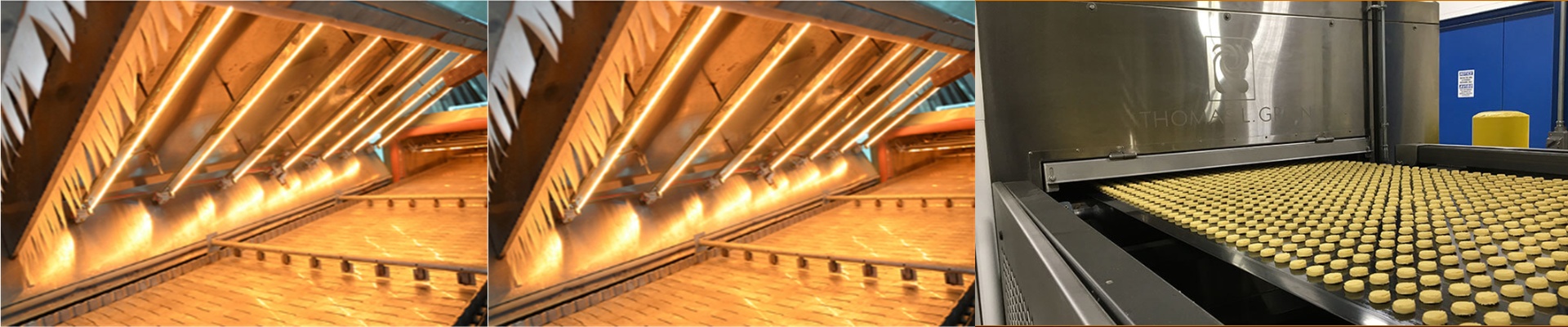
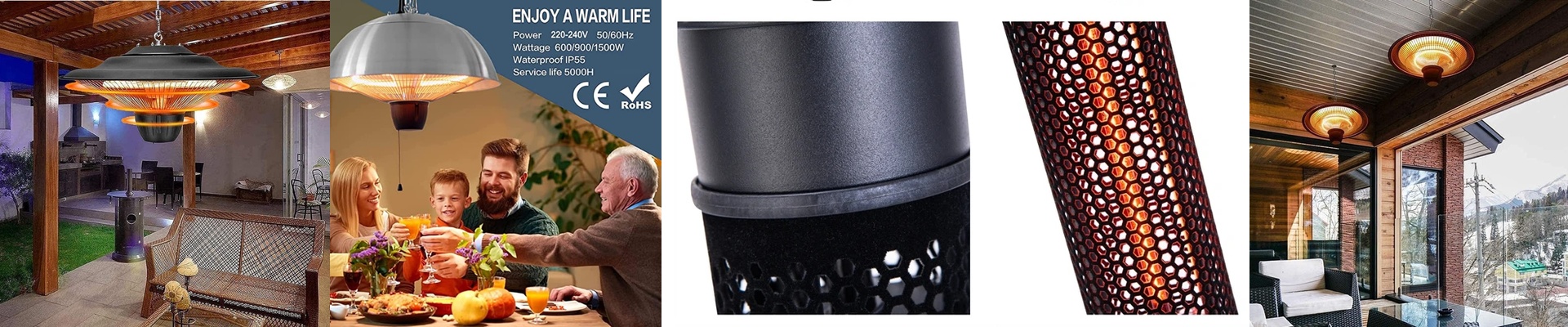
We build the tube around a high-efficiency resistive element, sheathed in quartz or stainless steel depending on the cabinet design. Common setups are 240V or 380V, sized from 1.5kW to 3.0kW, so you can match the thermal mass to the cabinet volume. It comes up to set temperature fast, and the internal layout puts heat where air naturally moves—around the trays, not just against the back wall. You get tight temperature uniformity across the holding zone, which matters when you’re trying to keep crust crisp while holding safely.
Why this works in the real workflow
Whether you’re running a deck oven, a rotary oven, or a convection setup, the holding cabinet sits at the end of the line, keeping finished pizzas, baked goods, or plated dishes at temperature. With this tube, you hold inside a stable window, so your crew isn’t constantly chasing heat or risking temperature drift. The payoff shows up in fewer wasted slices, less over-baking, and faster service when the rush hits. Energy use stays predictable, too, because the tube heats on demand and holds steady instead of cycling hard and overshooting.
The practical details
Installation is straightforward, but cabinet airflow is the limiting factor. If the vent path is blocked or the door gasket is worn, the tube will run longer to compensate, and you can end up with hot spots. Double-check voltage and terminal rating, and make sure the mounting bracket matches your cabinet model. Plan for routine cleaning and inspection—grease and crumbs shorten element life and cut down on heat transfer. Match the tube to the cabinet, and the holding step stays reliable, shift after shift.