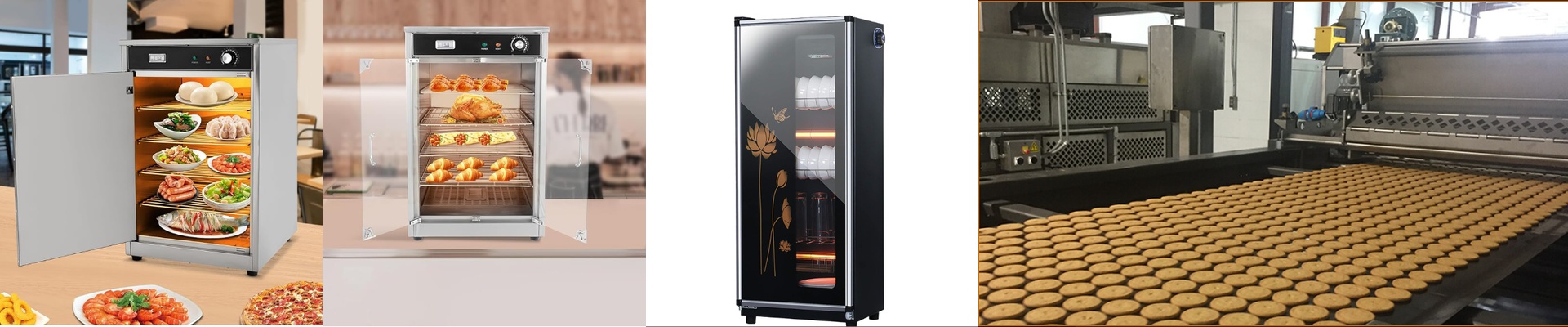
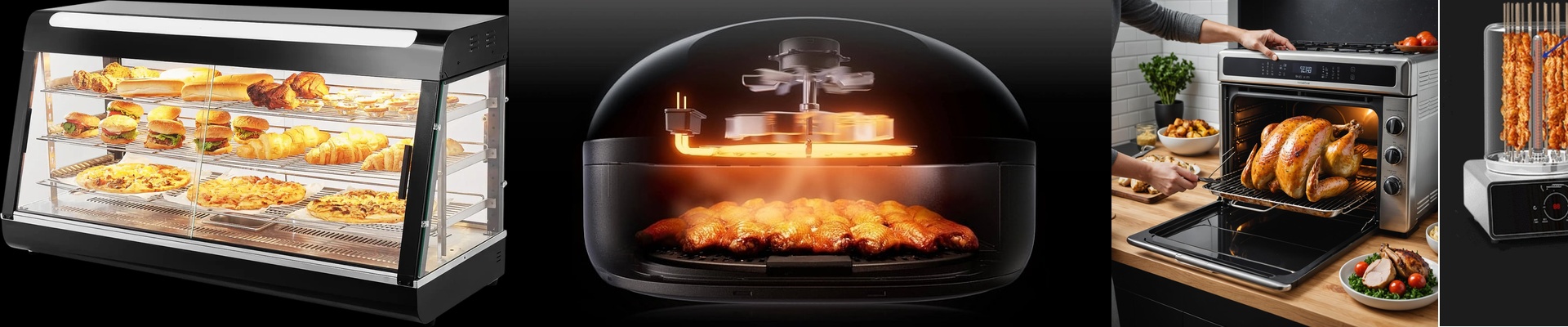
When the line is backed up and your bake schedule is already tight, inconsistent heat isn’t just a hiccup. It’s wasted dough. Deck ovens, rotary ovens, and big convection workhorses need a heating element that recovers fast, holds steady, and gives you predictable crust development—shift after shift.
What matters under the hood
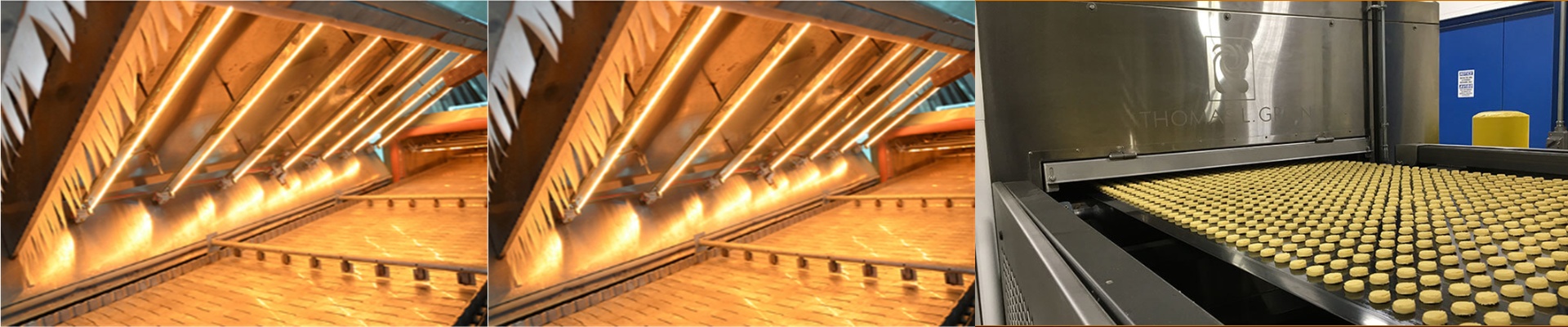
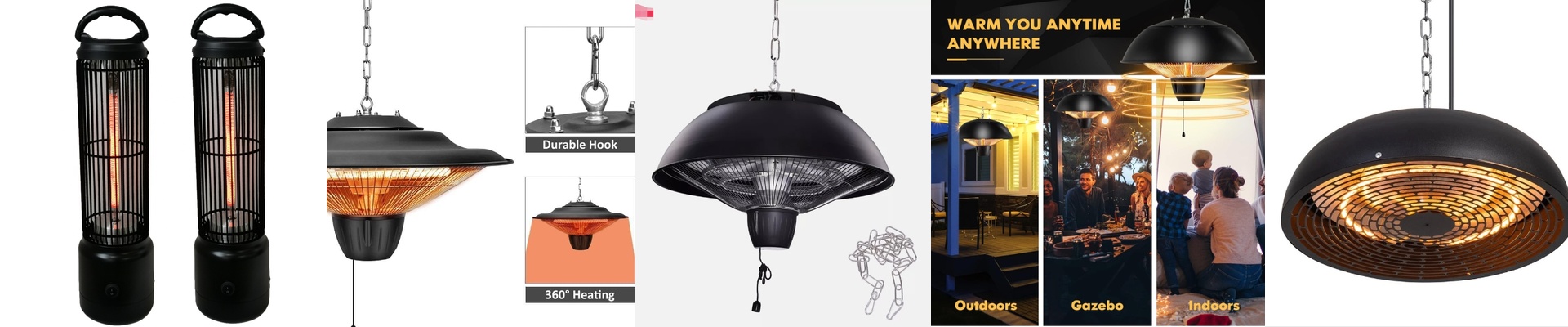
We built the circular ruby thermal element to lean on radiant heat. The ruby-infused ceramic core focuses energy in the medium-wave range, so heat hits the product surface quickly without cooking the oven cavity itself. In practice, you get shorter preheats and tighter temperature stability across the baking chamber. Typical units run 208–240V, with power matched to the oven footprint and your bake profile. The circular shape lays heat evenly around stone hearths and rotating decks. The payoff is consistent caramelization and a cleaner bake, even when the door keeps opening every few minutes.
Why this element earns its keep
This was designed for the realities of a commercial kitchen: fast recovery, repeatable performance, and minimal maintenance downtime. In deck ovens, you see more even crust color across the whole stone. Rotary oven users get quicker heat-up and steadier heat retention during long production runs. Convection ovens run quieter because the element holds setpoint without harsh cycling, and energy use per bake cycle drops since recovery is faster. Fewer temperature swings mean fewer underbaked centers and burnt edges—more product that comes out the way you designed it.
The practical details you can’t skip
Installation is straightforward, but clearances are non-negotiable. The element has to be spaced properly from the oven wall and any shielding to avoid hot spots and premature aging. Match the voltage and terminal configuration to your oven’s wiring, and confirm compatibility with your thermostat or control profile before you commit to the swap. Handle the element with clean, dry hands and keep oils off it—those residues can degrade the ceramic surface over time. And make sure airflow around the mounting brackets is adequate so operating temperatures stay stable.