
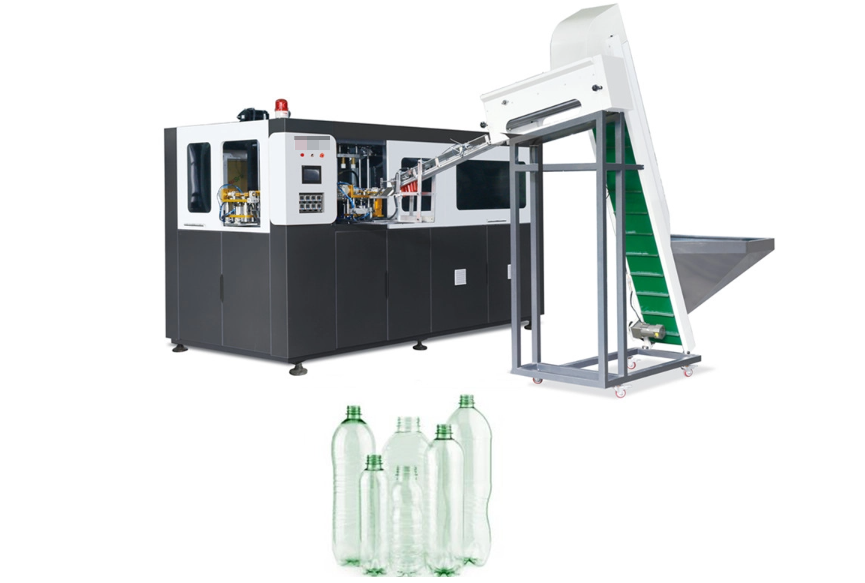
The Sacmi SBF 12 Lamp: A Smarter Swap
Let’s talk about a replacement lamp for the Sacmi SBF 12. It’s built to drop right in and handle the machine’s heat without the brand-name price tag. This isn’t some off-the-shelf bulb. It’s a proper industrial heater, engineered for the job.
Power, Voltage, and the Need for Precision
Here’s the core of it: a 400V voltage rating and 2500W of power. That combo is exactly what it takes to get the heat density you need for fast, consistent cycles on the SBF 12. And the size? The tube is 300mm long. That’s not a suggestion—it’s the exact footprint required to fit the heating chamber. Even a few millimeters off means it won’t seat right, and you lose the thermal connection.
Quartz, Tungsten, and a Solid Connection
The tube is quartz. Why? Because it can take extreme temperatures and stays clear under serious heat load. Inside, a tungsten filament does the heavy lifting. A halogen cycle keeps the filament clean, which stabilizes output and stretches the lamp’s life. And the connector? It’s an R7s base—an industrial standard built for high heat. It handles the current without getting hot under the collar and keeps the electrical connection solid.
What This Means on the Shop Floor
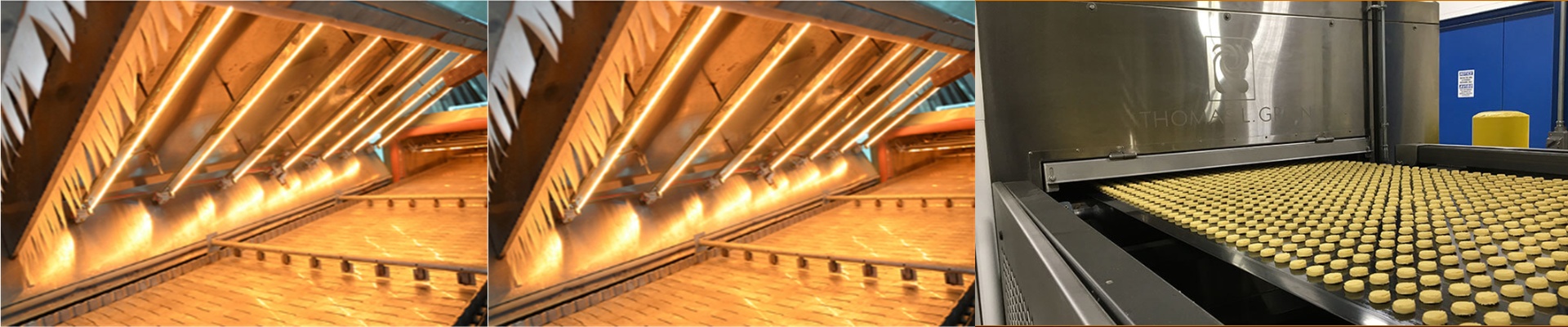
On the floor, this lamp wires up as a direct replacement for the Sacmi SBF 12. The heat profile matches the original, so you don’t have to recalibrate anything. And the materials? Same quartz, same tungsten. That means no guesswork—and no paying extra just for the “original” label.
The Catch: Heat Management
Now, the trade-off is real. A 2500W lamp throws off a lot of heat. Your machine’s cooling system needs to be in good shape to handle the temperature rise. If the cooling is undersized, the lamp will burn out early—quality or not. For engineers, the upside is simple: you get OEM-level performance at a lower cost, with a spec-for-spec replacement that installs clean.
The Reality of That Power
A 400V, 2500W tube packs serious heat density. That means your machine’s cooling system has to be up to the task. Make sure it’s properly set up to handle the ambient temperature, or you’ll run into trouble.