
Making High-Ceiling Heaters Actually Smart
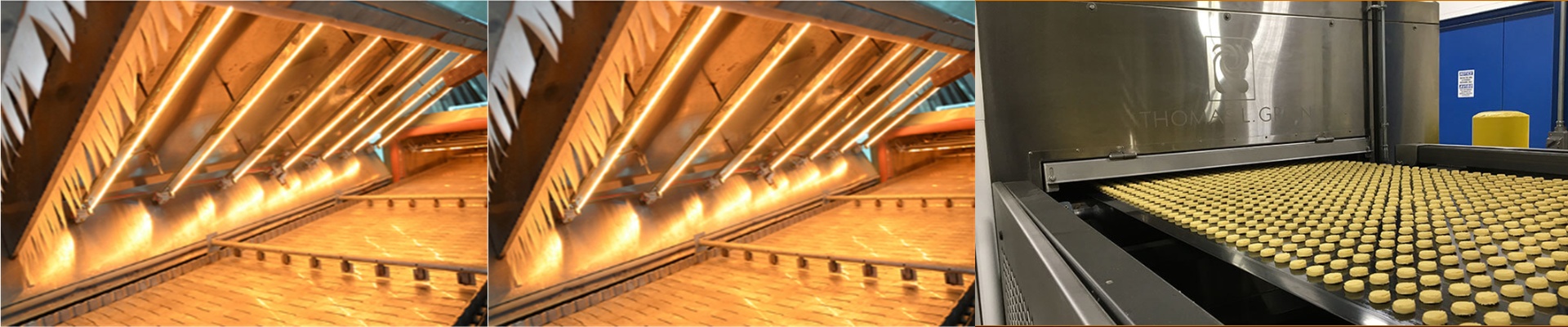
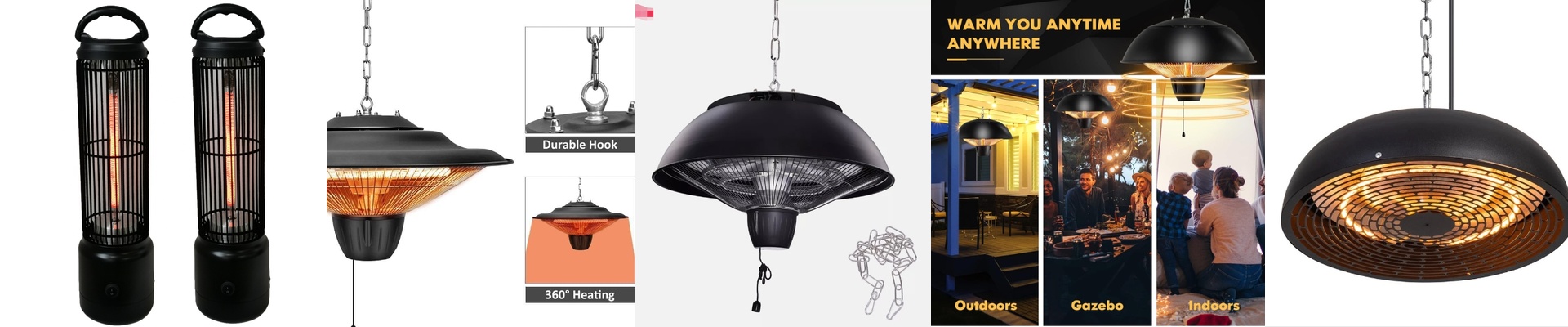
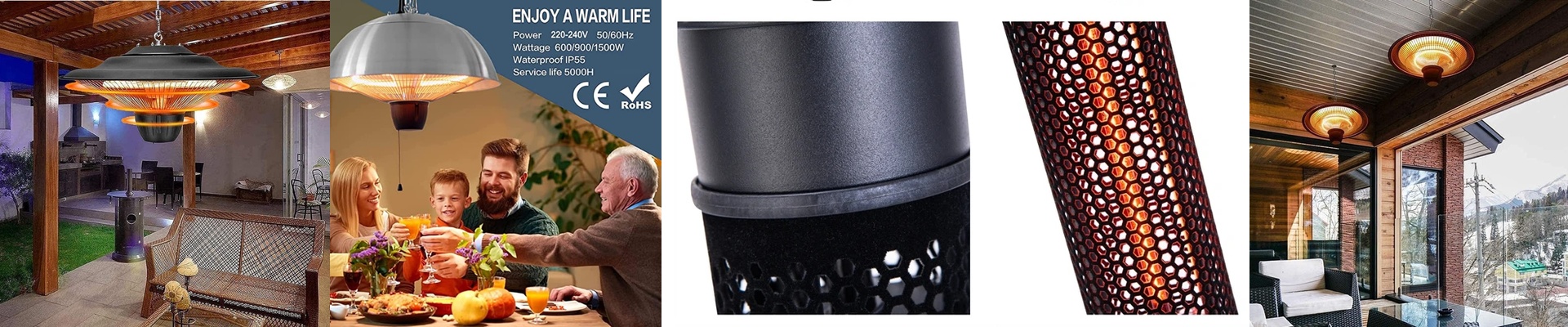
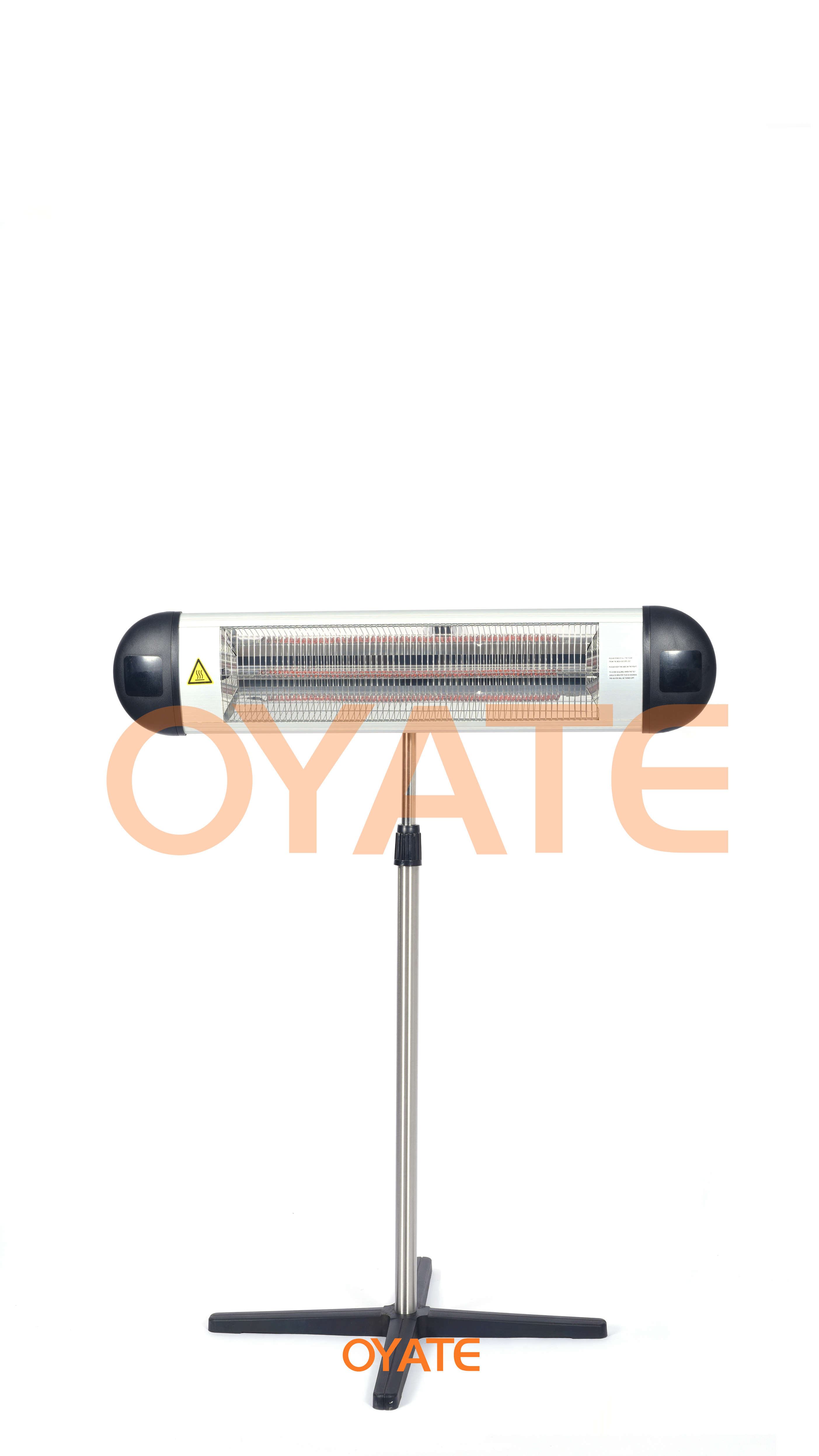
If you’ve ever tried to heat a room with massive ceilings, you know the struggle. You crank up the heat, but all that warmth just floats up to the ceiling, leaving you shivering on the floor. It’s frustrating. That’s where infrared heaters come in. Instead of trying to warm up every cubic inch of air, they send heat straight to you. It feels like stepping into a patch of sunlight on a cold day. But the real magic happens when you stop messing with manual switches and let a smart system handle it. Instant warmth, no waiting The best part about using short-wave or medium-wave emitters is the speed. They don’t need to “warm up.” They’re just… on. By wiring these into Zigbee or Matter controllers, you can set up a “Warm-up” scene on your phone. One tap, and you’re done. No waiting for a furnace to kick in or listening to a loud blower push air through dusty vents. It’s just immediate, cozy heat. The gear you actually need Here is a heads-up: don’t just grab a cheap smart plug from the store. These industrial heaters pull a lot of power. If you use a flimsy plug, you’re asking for a meltdown. You’ll want heavy-duty contactors or high-load switches that can handle the amperage without breaking a sweat. I also highly recommend adding a ceiling PIR sensor. That way, the heater only kicks in when someone is actually standing under it. It saves a ton of money on your electric bill. A few things to watch out for It isn’t all plug-and-play. Wiring these systems adds some complexity. First, keep an eye on your signal. If your smart hub is too far from the ceiling relay, the connection might drop right when you need it most. Then there’s the layout. Since infrared heat travels in a straight line, you can end up with “cold spots” if you don’t map out the room correctly. Plus, if you trigger ten high-power heaters at the exact same second, you might trip a breaker. It’s worth chatting with an electrician to make sure your panel can handle the load.