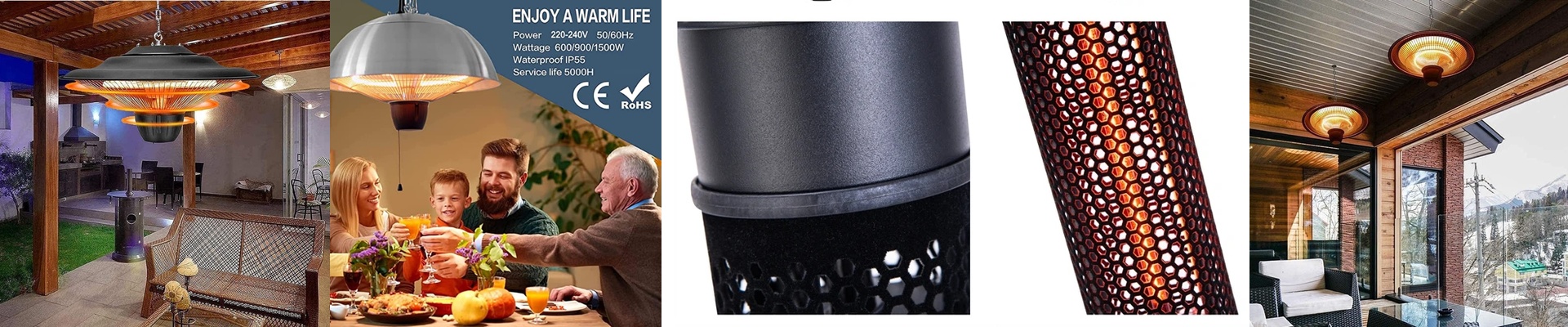
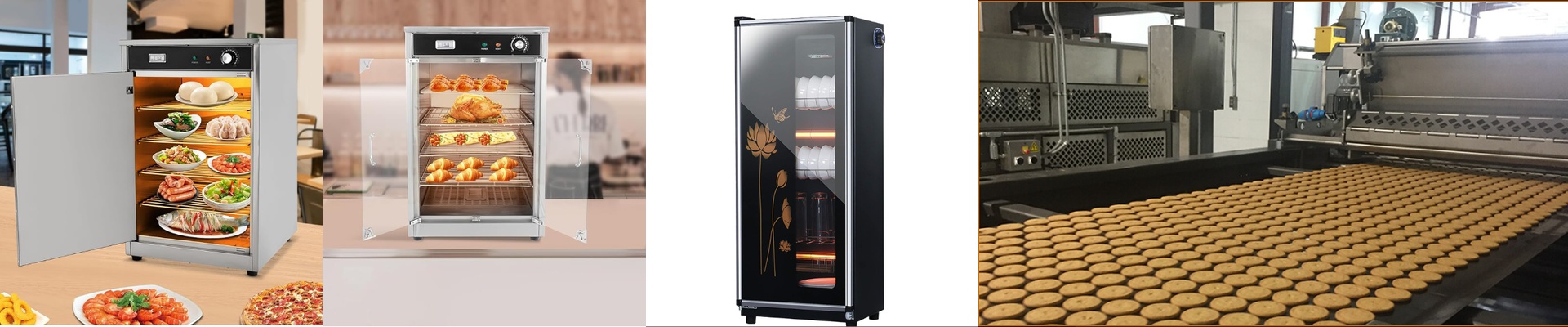
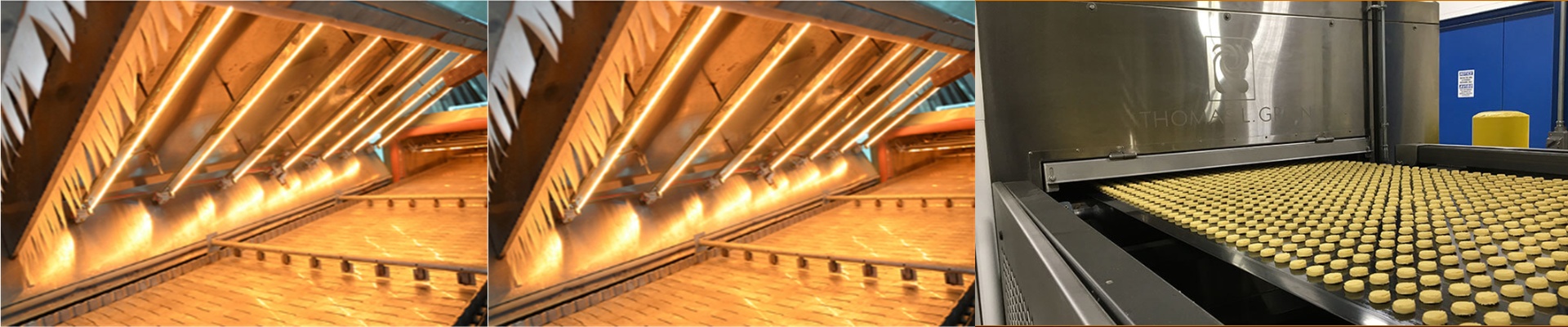
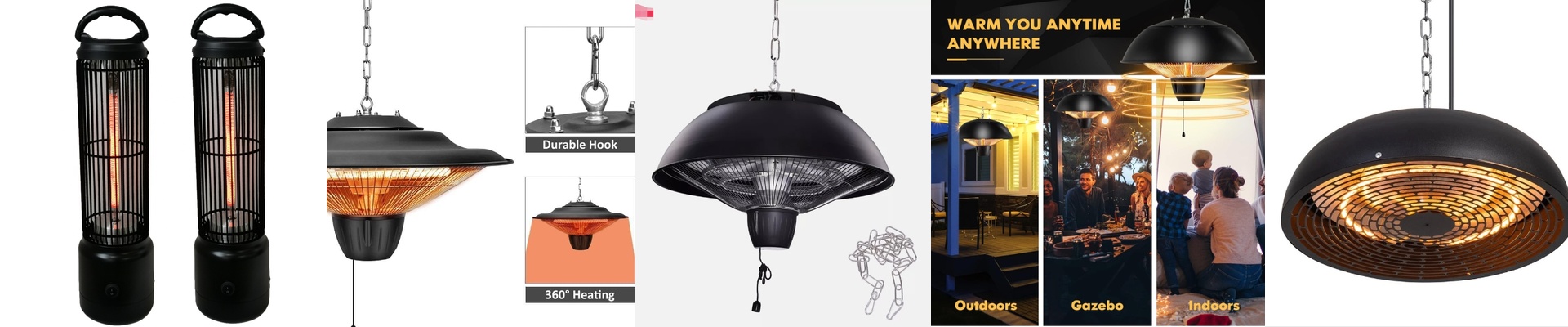
When the ticket stack builds and the bake schedule is tight, uneven heat shows up fast—pale bottoms, tops that scorch before the center sets, and an oven that holds the line hostage. In a convection oven, airflow moves heat, sure, but the heating element still calls the shots on how quickly and evenly that heat arrives. We dropped far infrared heating tubes into convection ovens to close the gaps standard elements leave. What matters under the hood Our far infrared tubes deliver radiant energy that penetrates dough more evenly, so the crust sets fast without burning the surface. They come up to temperature in seconds, so recovery after door swings is immediate. In practice, the baking chamber stays stable and the thermostat isn’t chasing spikes and dips. The specs are straightforward: high-purity quartz housing for thermal shock resistance, standard voltage options, and termination choices that match common oven sockets. That translates to repeatable temperature control, bake after bake. Why this works in a busy convection oven You need even color across trays and pans, not hot spots and cold corners. Far infrared heat promotes consistent caramelization, giving bread and pizza the golden, crisp crust customers expect while the interior stays tender. Because the element responds quickly, you can tighten the bake window and run more covers without stacking heat. You also use less energy—less time idling at temperature, less juice spent compensating for dips. The practical details These tubes are engineered for convection oven environments, but fit and clearance still matter. Confirm mounting brackets, socket type, and tube length against your oven model before ordering. Treat the quartz like glass: avoid direct contact with racks or pans, and let it cool before cleaning. Installed right, you get stable heat, predictable results, and fewer element-related shutdowns.