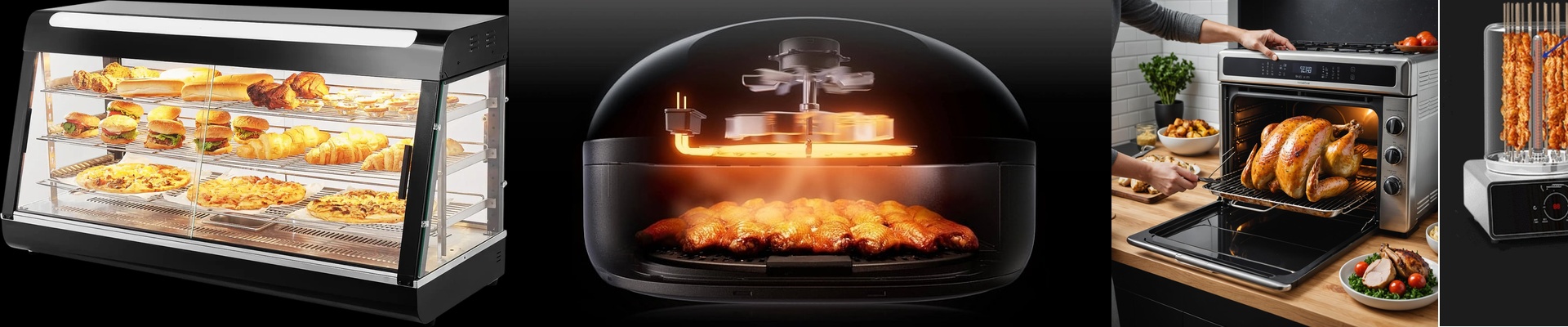

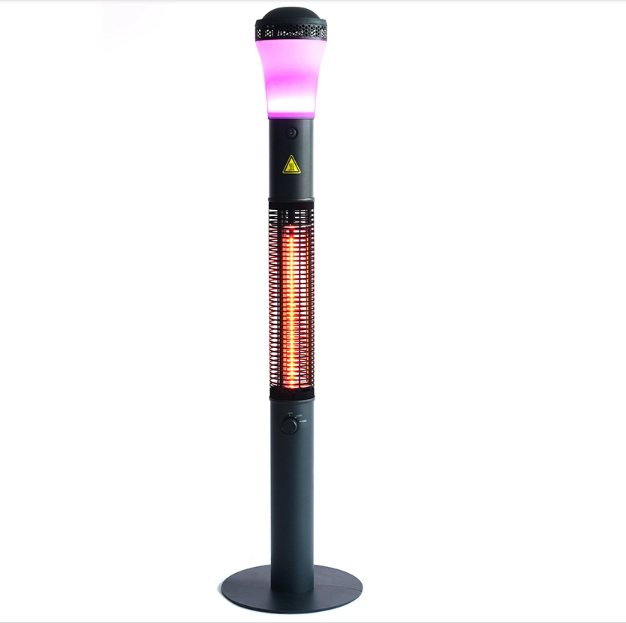
For older adults, winter cold hits more than just the skin. It settles into joints, tightens shoulders, and makes the heart work overtime just to keep things steady. Standard hot-air blowers kick up dust and swing temperatures wildly. Infrared electric heaters take a different approach—warmth that lands on you the way sunlight does.
What matters, technically
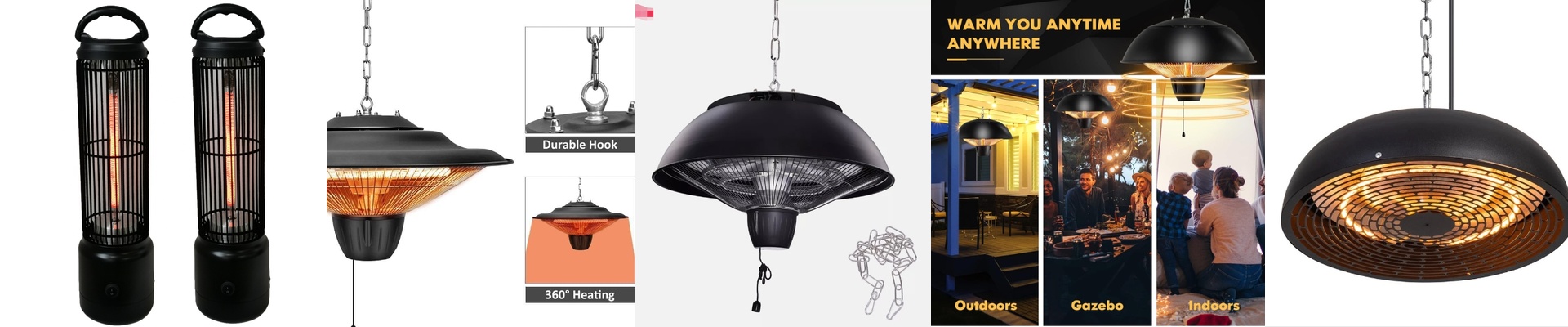
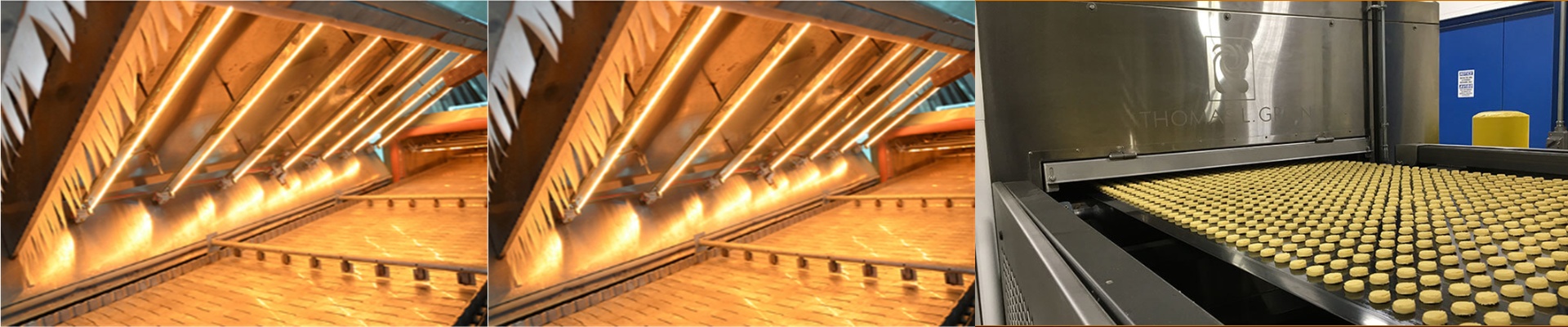
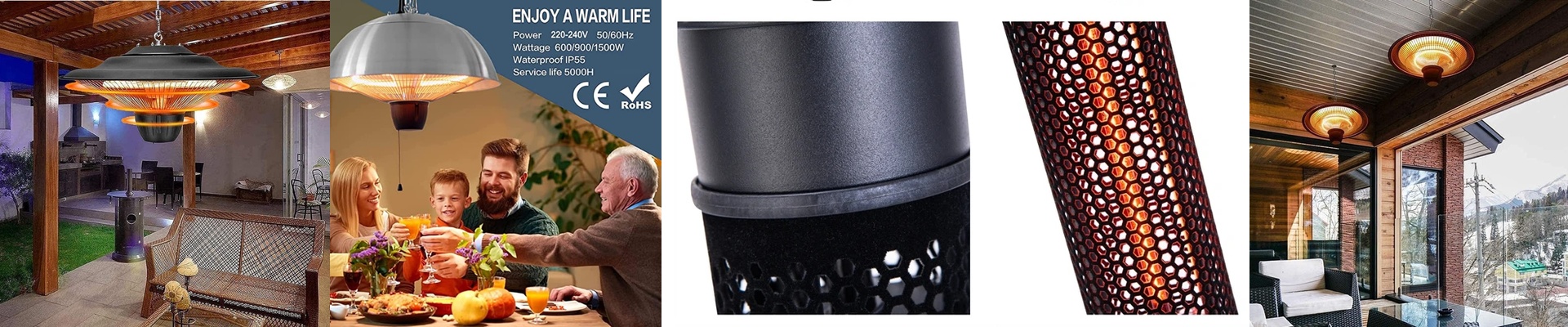
We build our 12V and 24V electric heaters around infrared radiant heat, not forced air. A carbon fiber element or a quartz tube throws targeted warmth outward, heating people and objects directly. The low-voltage design makes them workable in indoor spots near windows, covered patios, and outbuildings—places where a standard 120V circuit isn’t easy to run. In practice, the heat comes on fast. No waiting for a fan to spin up, no blast of dry air that irritates eyes and airways.
Why this approach fits
Infrared warmth gets absorbed by the skin and superficial tissues, which can help keep peripheral circulation moving gently. For seniors, that often shows up as less muscle guarding from the cold, fewer stiff joints, and a more stable sense of comfort—especially in living rooms, sunrooms, and sheltered outdoor sitting areas. Because the heat is directional, you can keep the overall room temperature a touch lower and still feel cozy. That helps smooth out the abrupt swings that can make cardiovascular stress feel sharper.
The details that matter
These heaters warm what they hit, so aim the unit to shine on seating, not directly on walls or furniture. They’re designed for 12V/24V and need to be wired to a properly sized power source. For most room-scale comfort, 24V is the sweet spot—good reach without overmatching the output. Keep the heater at least three feet from combustibles, and make sure it’s mounted or seated on a stable surface so tip-over protection can function as intended. If you’re running in damp outdoor areas, pick a unit rated IP34 or higher. And remember: infrared heat feels best when it has a clear line of sight to you.