

Winter training does a number on muscles—tight, slow to recover. Cold air makes surface heat useless; it never gets where the tissue actually needs it. And waiting around for a room to warm up? That’s time athletes can’t afford to burn.
What matters, technically
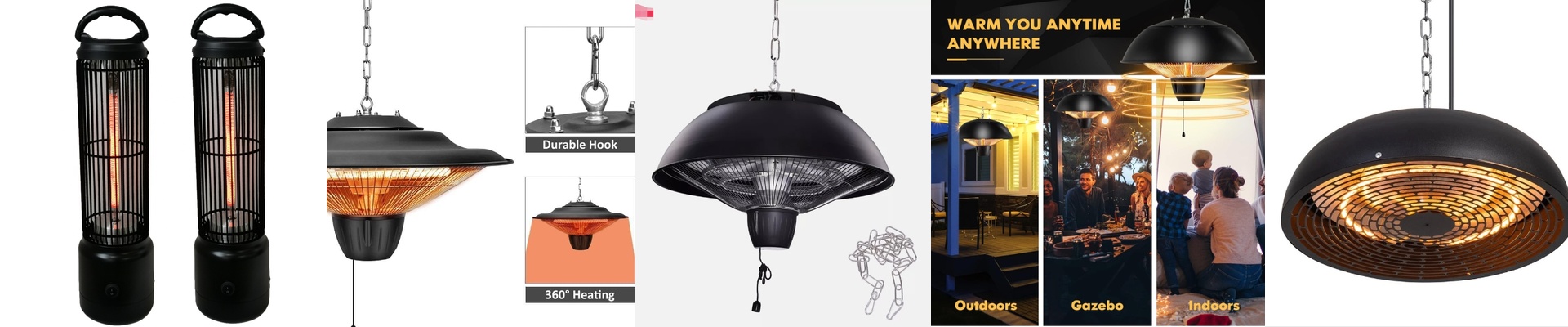
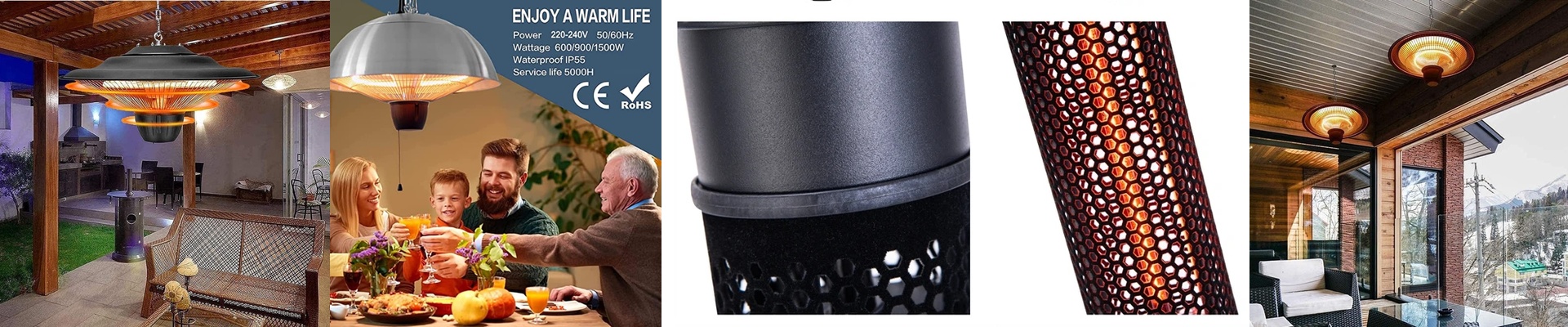
The unit we’re talking about is a fake flame heater that leans on short-wave infrared warmth, delivered through a quartz tube element. It throws energy straight at the body, not the air, so you feel heat within seconds. The output is focused and directional—much like standing in sunlight. Warm on the front, noticeably less warm just a few feet away. In practice, that means you can place the heater where it does the most work, aim it precisely, and get consistent warmth without the wait.
Why it works in this setting
For athletes, the goal is straightforward: loosen muscles fast, then keep tissue pliable long enough to support recovery. Infrared penetrates deeper than surface heat ever will, helping tight spots let go and nudging circulation along. After a chilly session, a short stint under the heater knocks back that stiff, “cold-set” feeling. Stretching gets more comfortable, movement smoother. In physical therapy, that same deep, steady warmth preps muscles before movement and supports a calmer recovery window—especially when cold air keeps stealing heat right off the skin.
The details that make it work
Infrared is most effective when you control distance and exposure. Start at a comfortable distance and adjust from there—warmth, not overheating. These are electric heaters built for dry, sheltered spots: covered training areas, garages, indoor recovery rooms. They’re not meant for open, wet, or windy outdoor spaces. For best results, pair the heater with a timer or thermostat. That keeps sessions consistent and prevents you from running it longer than necessary.